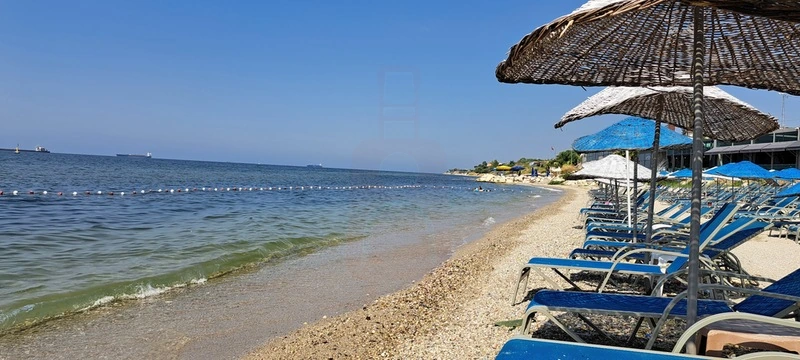
Most Popular 10 Beaches in Beylikdüzü
21-01-2025 00:10
Understanding Turkeys calendar and public holidays is essential for travel planning. The nation observes both official public holidays, including national commemorative days, and religious holidays, which are determined by the lunar Hijri calendar and thus shift annually. This guide provides an overview of these important dates, their cultural significance, and practical considerations for visitors.
Turkey's holiday calendar is a dynamic blend of secular national days and Islamic religious festivals. National holidays commemorate significant events in the Republic's history or foundational principles, such as its establishment or key victories. These dates are fixed annually, offering predictability for travelers. In contrast, religious holidays, including Eid al-Fitr (Ramazan Bayramı) and Eid al-Adha (Kurban Bayramı), follow the Islamic lunar calendar. This means their dates shift approximately 10-11 days earlier each Gregorian year. These periods are deeply rooted in tradition, marked by extensive family visits, special prayers, traditional meals, and often result in extended closures across the country. Awareness of these holidays is crucial for understanding local customs and anticipating potential impacts on services, transportation, and attraction availability during your visit.
Turkey observes several important national and religious holidays, each with unique cultural significance:
During national holidays, government offices, banks, and schools are closed, but public transportation generally operates, often on a modified schedule. Major tourist attractions such as Hagia Sophia, Topkapi Palace, and the ancient city of Ephesus typically remain open, though expect significantly larger crowds. Religious holidays often involve more widespread closures for public services and many private businesses, particularly on the first day. These periods see many families traveling to visit relatives, leading to increased traffic on roads and high demand for intercity transport (buses, flights). Popular coastal resorts like Antalya and Bodrum, and historical sites, become exceptionally busy during these extended breaks. Essential services like pharmacies usually operate on a rotational basis to ensure continuous access.
While Turkey offers a rich travel experience year-round, understanding the holiday calendar can significantly enhance your visit. Visiting just before or after major religious holidays can offer a balance, allowing you to experience the festive atmosphere without the peak travel congestion and demand. National holidays often present unique cultural experiences; for instance, Republic Day (October 29) features impressive parades and celebrations across major cities like Istanbul, Ankara, and Izmir, offering a memorable insight into Turkish patriotism and heritage. Planning around these dates allows for a smoother trip and deeper cultural immersion.

Understanding the school holiday schedule in Turkey is crucial for travelers, as these periods significantly impact domestic tourism, accommodation availability, and transportation prices. Turkish schools typically observe a summer break, a mid-term (semester) break, and a short break in the spring, in addition to public holidays. Planning around these times can help avoid peak crowds and ensure a smoother travel experience.
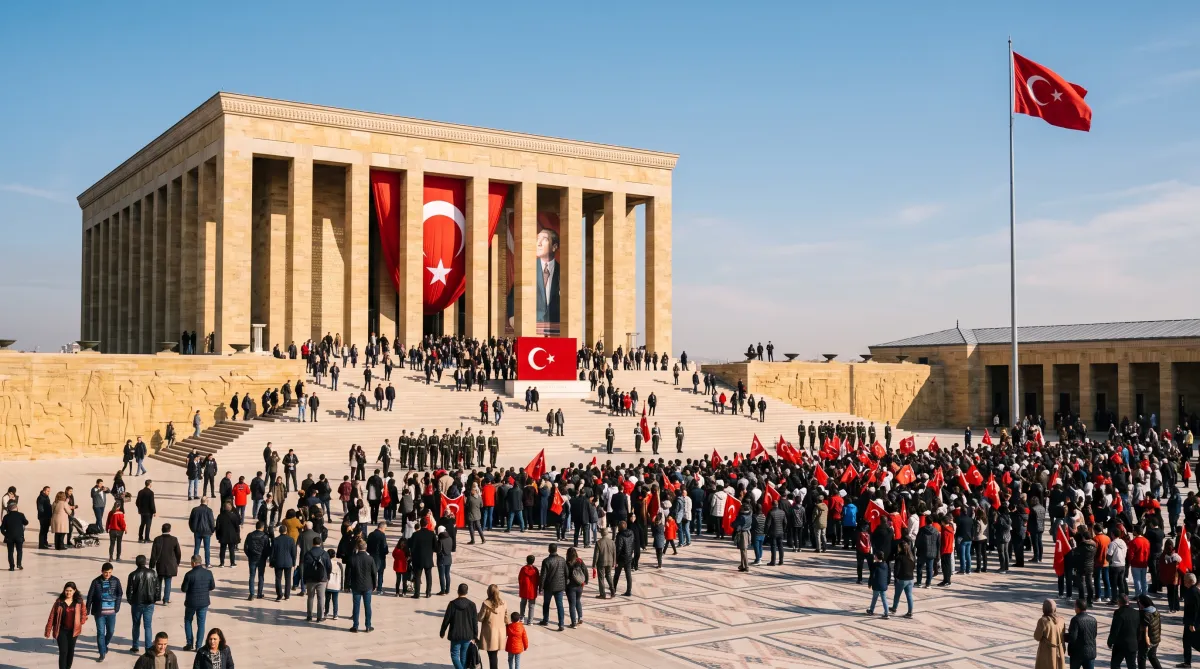
Turkey observes several national days, deeply rooted in its history and the foundation of the Republic. These public holidays are significant patriotic commemorations, marking key historical events and figures. They are celebrated nationwide with official ceremonies, parades, and public gatherings, reflecting the strong sense of national identity. For travelers, understanding these days is important as many businesses, banks, and government offices may close, impacting travel plans. Always check
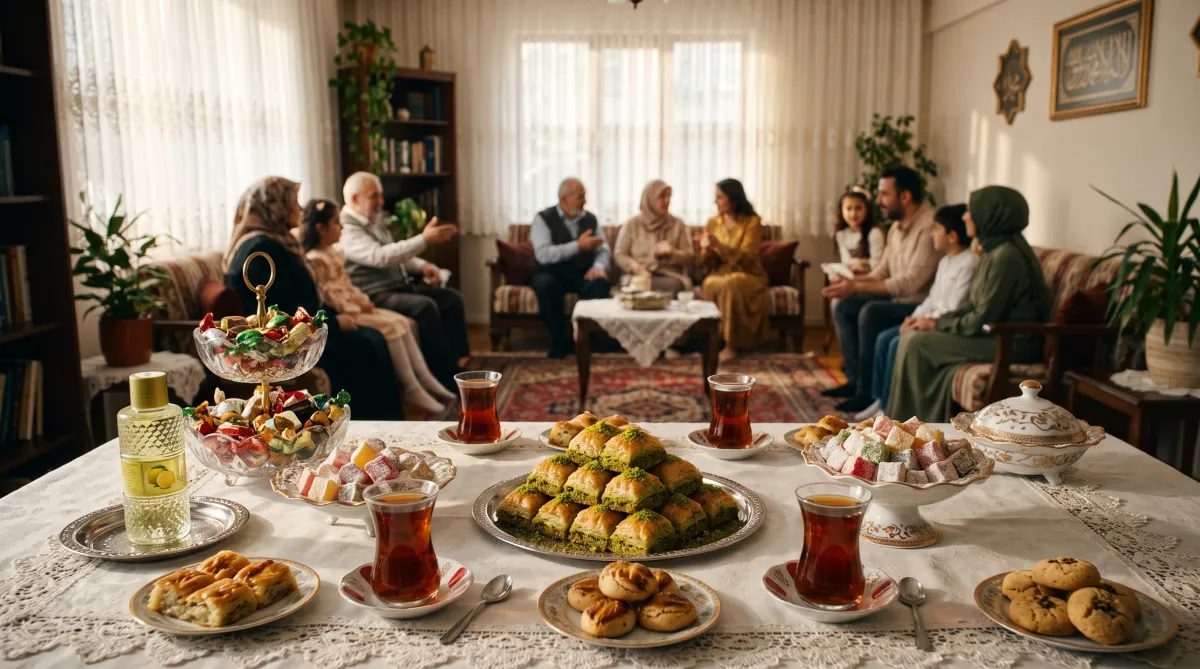
Turkey observes two principal Islamic religious holidays, Ramazan Bayramı (Eid al-Fitr) and Kurban Bayramı (Eid al-Adha), which are public holidays based on the lunar calendar, meaning their dates shift each year. These periods are characterized by family gatherings, feasts, and traditional observances, significantly impacting daily life and travel services across the country. Travelers should anticipate increased domestic travel, potential closures, and a festive atmosphere.
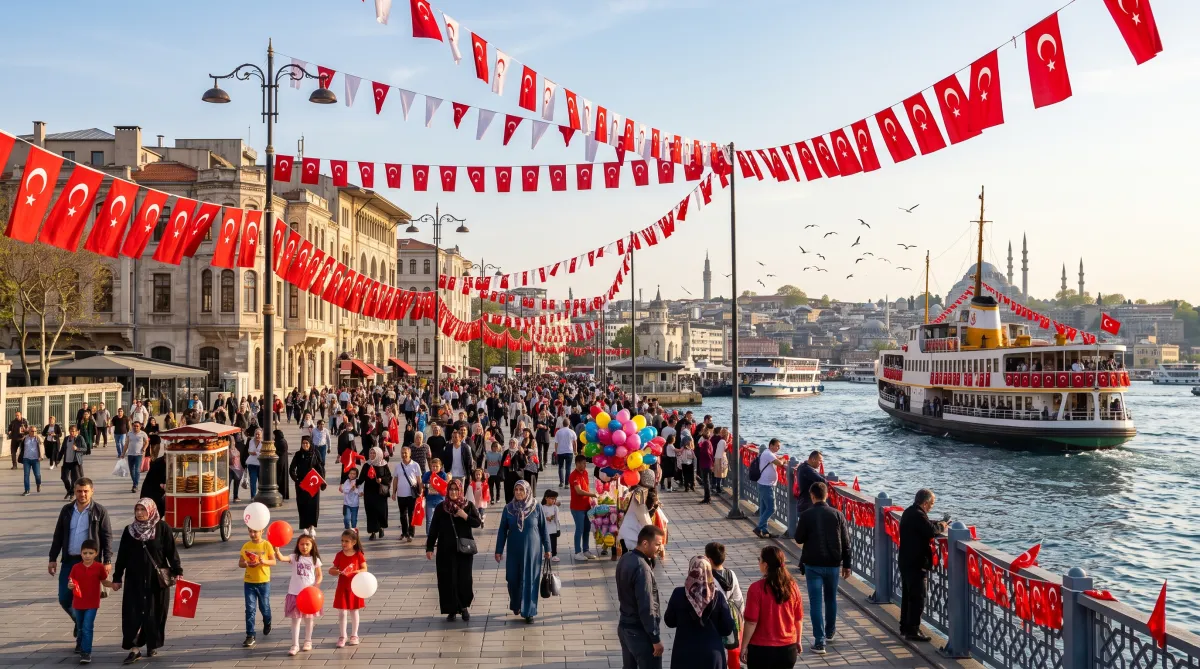
Turkey observes a mix of national and religious official holidays. National holidays are fixed dates commemorating key historical events or national sovereignty. Religious holidays, known as Bayramlar, follow the lunar calendar, meaning their dates shift each year. These periods are significant for locals, often involving family gatherings and travel, which can impact transportation and service availability for visitors. Always check the specific dates for movable religious holidays before fin