Most Popular 10 Beaches in Beylikdüzü
21-01-2025 00:10
Turkeys culture is a vibrant tapestry woven from its rich history, geographical position bridging East and West, and diverse ethnic influences. Visitors can experience a profound blend of ancient Anatolian heritage, Ottoman grandeur, and modern Turkish identity, manifested in its hospitable people, culinary delights, traditional arts, and deeply rooted customs. This category explores the multifaceted cultural landscape, offering insights into its unique character and how to engage respectfully.
Turkish culture represents a captivating fusion of influences spanning millennia. Situated at the crossroads of civilizations, Turkey's heritage is shaped by Hittite, Greek, Roman, Byzantine, Seljuk, and Ottoman empires, resulting in a rich mosaic of traditions. This deep historical layering is evident in everything from its language and cuisine to its architecture and social customs. Hospitality, respect for elders, and a strong sense of community are central tenets of Turkish society, often experienced through shared meals and spirited conversations.
Expect warmth and genuine hospitality. Turks often offer tea or coffee as a sign of welcome. When visiting religious sites, modest dress is appropriate; women may need to cover their heads. Removing shoes before entering homes or mosques is customary. Public displays of affection are generally discreet. Bargaining is common in bazaars but always done respectfully. Learning a few basic Turkish phrases like "Merhaba" (hello) and "Teşekkür ederim" (thank you) is greatly appreciated.
Spring (April-May) and Autumn (September-October) offer ideal weather for exploring cultural sites and participating in outdoor events. Many cultural festivals, such as the International Istanbul Film Festival or the Mevlana Whirling Dervishes Festival in December, occur throughout the year. Researching specific events can enhance your cultural journey.
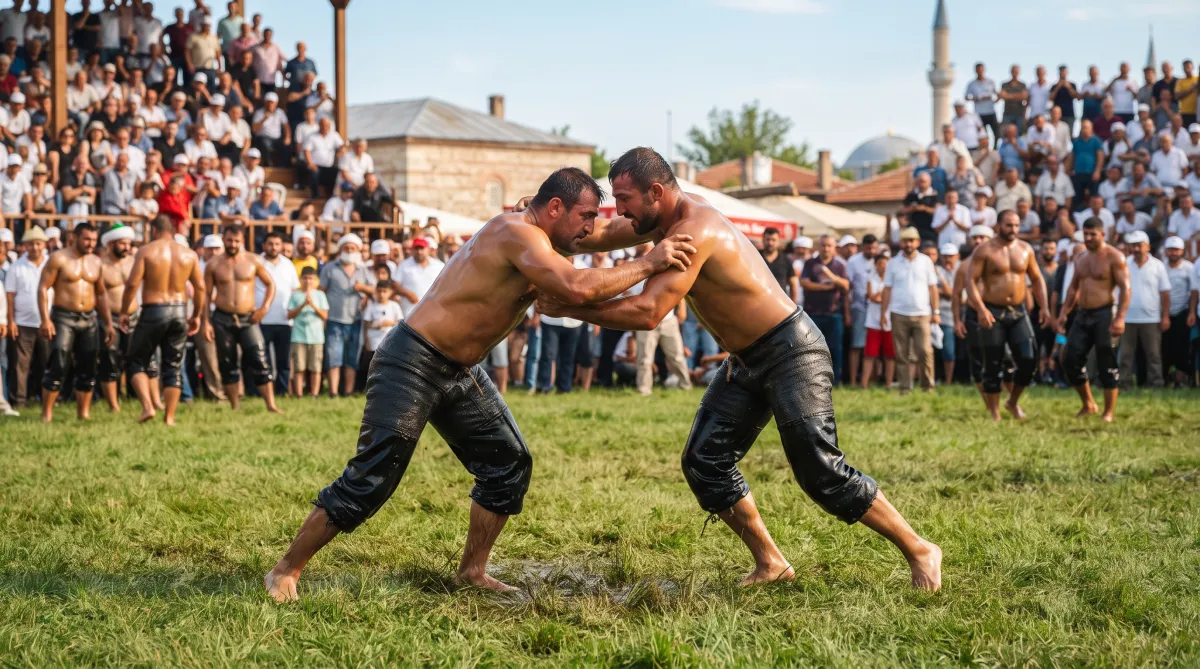
Turkey boasts a of festivals and traditions, reflecting its diverse history and cultural heritage. From ancient rituals and religious celebrations to vibrant modern arts and music events, these observances offer visitors a profound insight into the heart of Turkish society. Engaging with local festivities provides an an authentic experience, showcasing the countrys hospitality, artistic expression, and deep-rooted customs throughout the year.
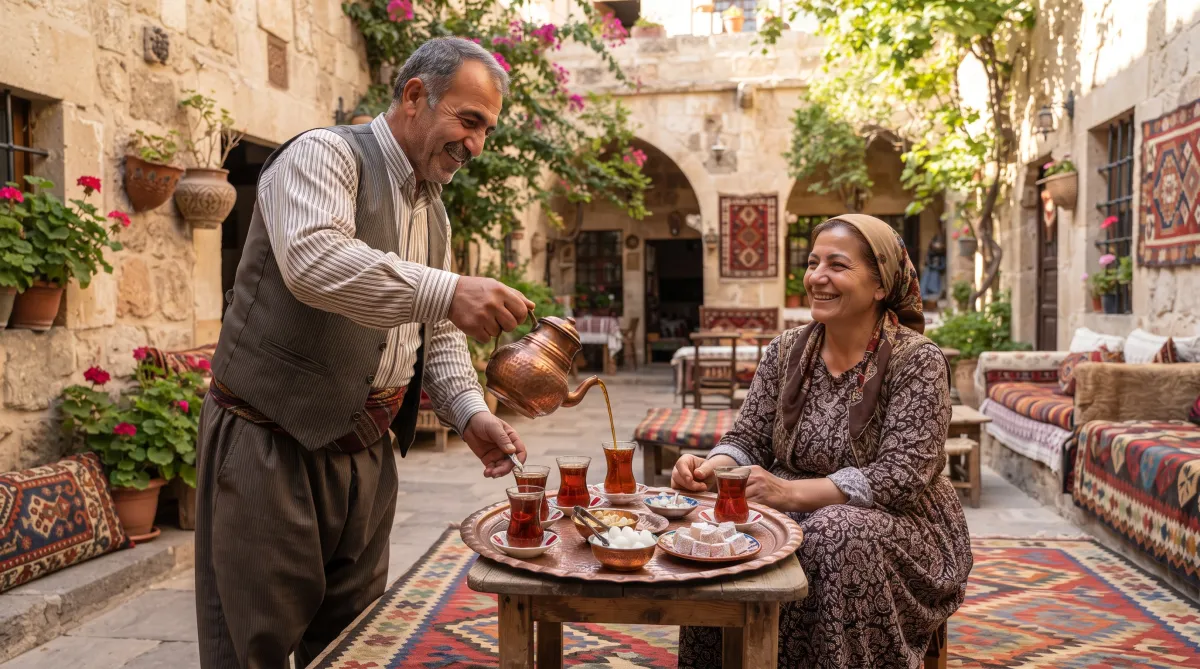
Understanding local customs and etiquette in Turkey enhances the travel experience. Turkish culture values hospitality, respect, and tradition. Visitors will find that a little awareness of local practices, from greeting rituals to dining habits and appropriate attire, can significantly improve interactions and foster positive connections with locals. This guide provides essential insights into navigating social situations respectfully.