Most Popular 10 Beaches in Beylikdüzü
21-01-2025 00:10
Preparing for travel to Turkey involves understanding key aspects like visa requirements, local currency, cultural norms, and transportation options. This overview provides practical guidance to ensure a smooth and enjoyable journey, covering everything from health considerations to communication services across diverse regions from Istanbul to Cappadocia.
Embarking on a journey to Turkey requires some foundational preparation to navigate its rich cultural landscape and diverse geography seamlessly. This section covers the fundamental necessities for a well-planned trip, ensuring visitors are ready for an experience that spans ancient ruins, bustling bazaars, and stunning coastlines.
Key considerations include understanding entry requirements, managing your finances, and familiarizing yourself with local customs and practical logistics. From the vibrant energy of Istanbul to the serene beauty of the Mediterranean coast, being prepared enhances every aspect of your exploration.
Upon arrival, visitors will find a well-developed infrastructure in major tourist hubs. Transportation networks, including domestic flights, intercity buses, and urban public transport, are efficient. Communication is generally easy, with many Turks in tourist areas speaking English, German, or Russian.
Internet access is widespread through Wi-Fi in hotels and cafes, and local SIM cards are affordable for mobile data. Expect a warm welcome and genuine hospitality from locals, eager to share their country's beauty and traditions.
Turkey offers diverse experiences throughout the year. The shoulder seasons (April-May and September-October) are ideal for general sightseeing, offering pleasant weather and fewer crowds. Summer (June-August) is perfect for coastal holidays but can be very hot inland. Winter (November-March) is suitable for skiing in regions like Uludağ or exploring cities without the intense heat.
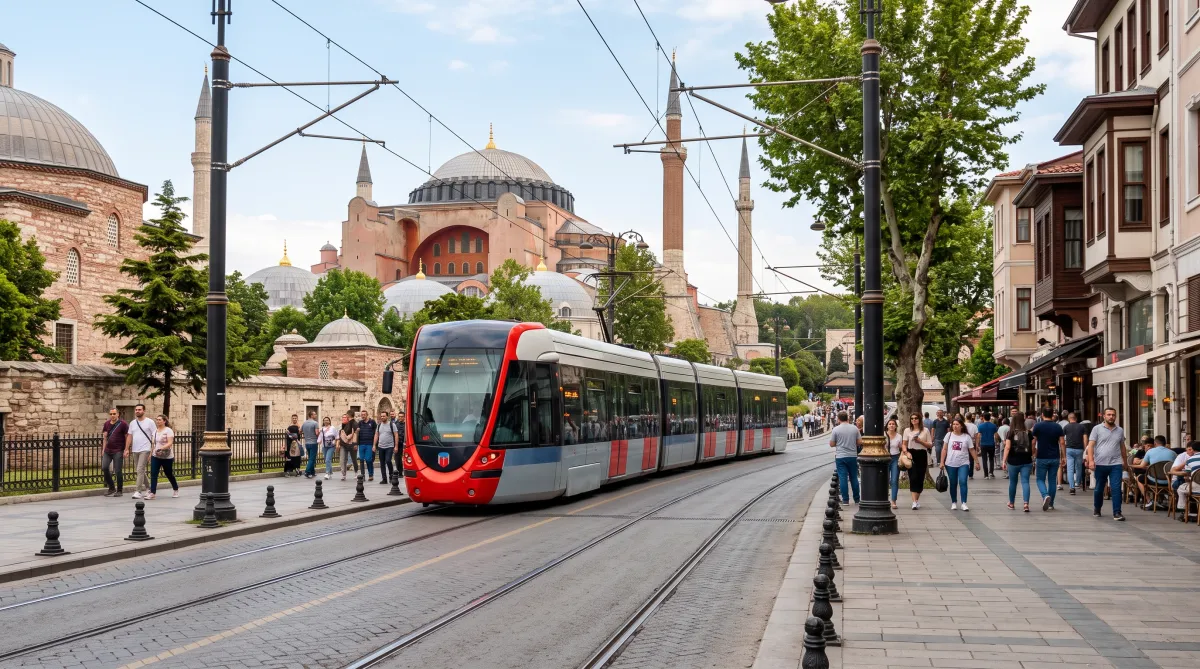
Navigating Turkey is straightforward with its diverse transportation network, ranging from extensive domestic flights connecting major cities to an efficient bus system for intercity travel. Public transport in urban areas includes metros, trams, and dolmuş minibuses, providing convenient and affordable options for exploring. Renting a car offers flexibility for rural exploration, while ferries connect coastal regions and islands. Planning travel in advance is recommended, especially during peak
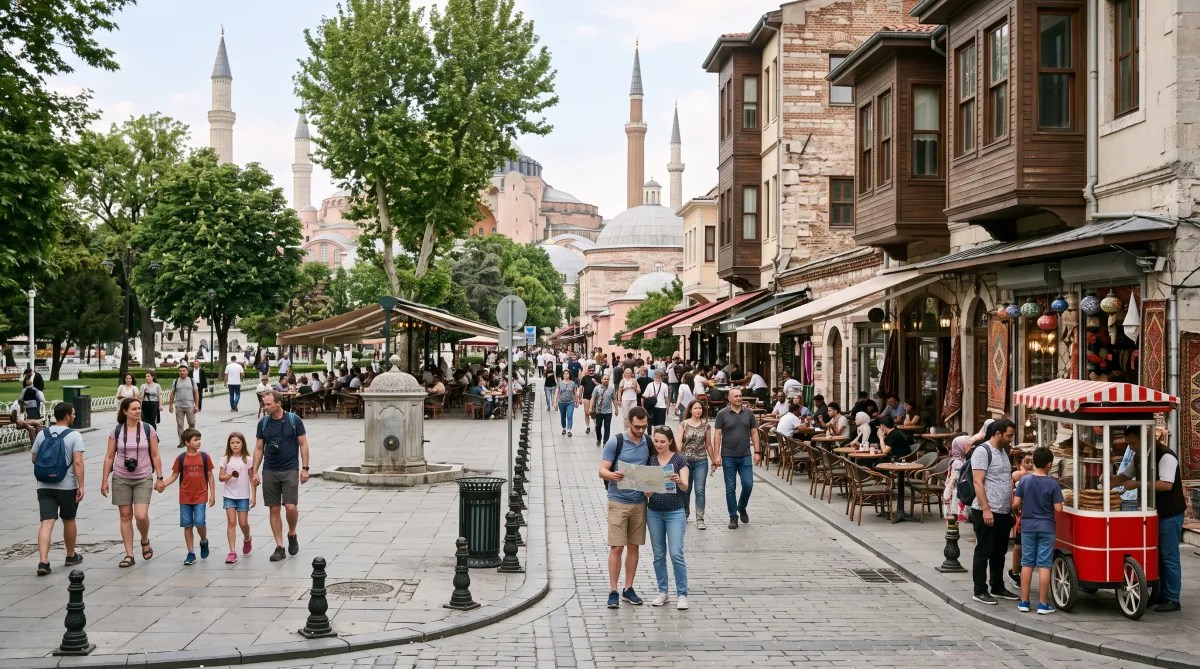
Turkey is generally a safe and welcoming country for tourists, with millions visiting annually. While serious crime against tourists is rare, its wise to practice common sense precautions as you would in any popular travel destination. Stay informed about local conditions, be aware of your surroundings, and respect cultural norms to ensure a pleasant and secure experience. Always check current travel advisories from your home countrys government before departure.

Planning a trip to Turkey requires understanding essential entry requirements, local customs, currency, and health considerations. This guide provides objective, practical advice to help prepare for a smooth and enjoyable visit. Travelers should always consult official government sources for the most current information before departure.

Traveling to Türkiye often requires a visa, depending on your nationality and the purpose and duration of your visit. Many travelers from eligible countries can easily obtain an e-Visa online before their trip, while others may need to apply for a traditional visa through a Turkish embassy or consulate. It is crucial to confirm your specific requirements and ensure your passport is valid for at least six months beyond your intended stay. Always check official government sources for the most curr