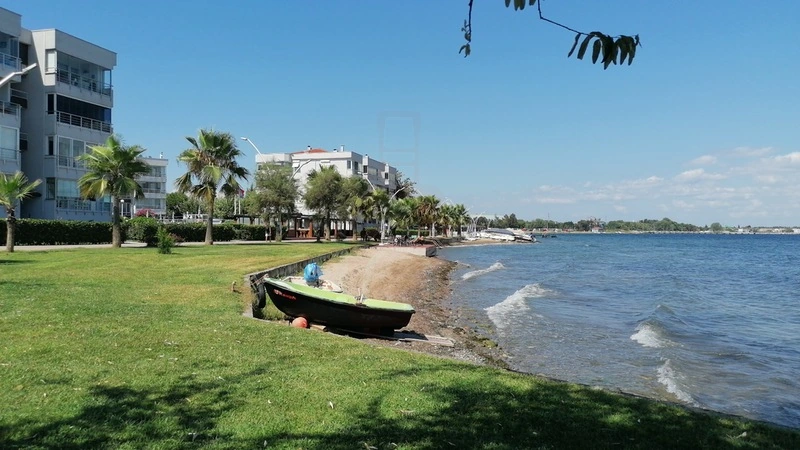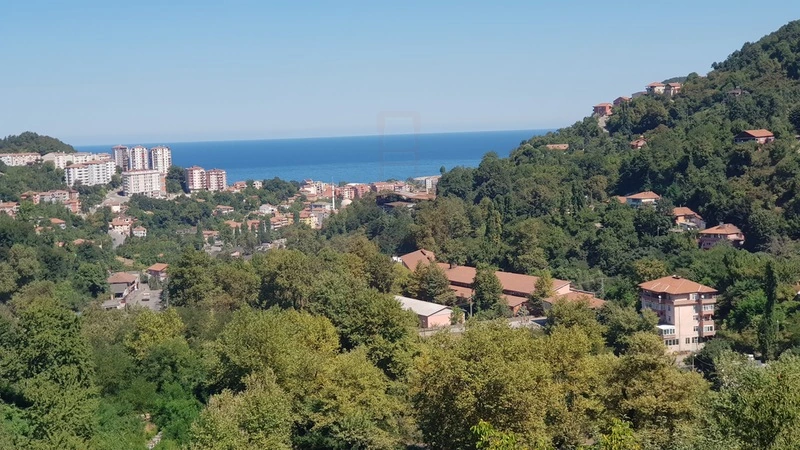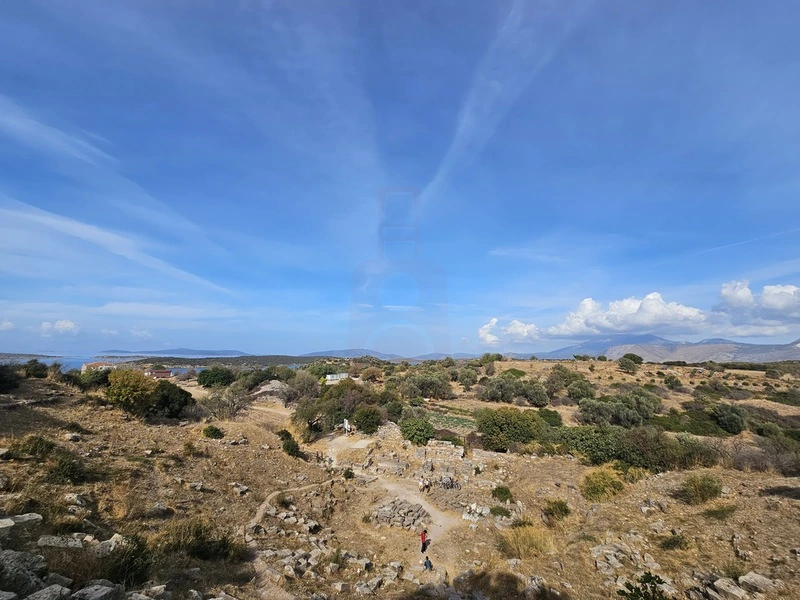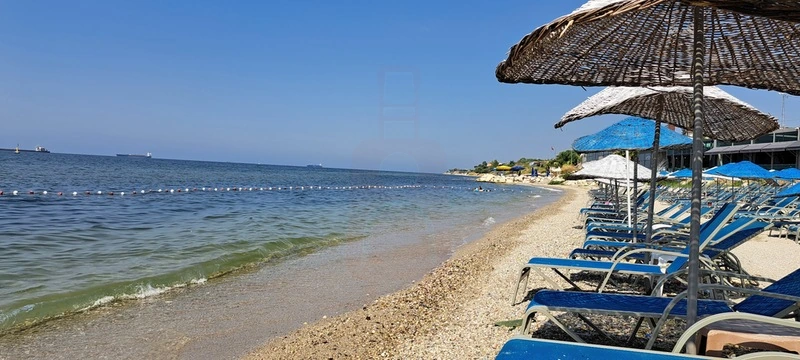
Most Popular 10 Beaches in Beylikdüzü
21-01-2025 00:10
Discover the serene beauty of Burdurs natural lakes, offering stunning landscapes and diverse recreational opportunities for visitors.
Welcome to Lake Burdur, a magnificent natural wonder located in southwestern Turkey. As the second largest lake in the country, Lake Burdur offers visitors a unique blend of natural beauty, cultural heritage, and recreational activities. With its picturesque landscapes, diverse b…
Welcome to Lake Salda, located in the district of Yeşilova in Burdur, Turkey. Often referred to as Turkey's Maldives due to its stunning turquoise waters and white sandy beaches, Lake Salda offers visitors a unique and picturesque natural experience. With its pristine beauty, min…
Welcome to Lake Yarışlı, a hidden gem nestled in the picturesque landscapes of Burdur province in southwest Anatolia, Turkey. Known for its natural beauty and tranquil ambiance, Lake Yarışlı offers a serene retreat for nature enthusiasts and those seeking a peaceful escape. With…
Nestled amidst forested hills in the Lakes Region of southwest Turkey lies the scenic freshwater lake of Karataş. Located near the town of Burdur in the province of the same name, it is fed by streams flowing from surrounding mountains. With azure waters framed by reed beds and s…
Turkey's Mediterranean Region, the province of Burdur is celebrated for its captivating collection of natural lakes. These geological formations, predominantly of tectonic origin, exhibit remarkable diversity in size, depth, and ecological characteristics. Ranging from expansive freshwater reservoirs crucial for local ecosystems to smaller, often saline, depressions with unique mineral compositions, Burdur's lakes play a pivotal role in shaping the region's distinctive landscape and supporting rich biodiversity. Their tranquil atmospheres attract visitors seeking a refreshing escape and a profound connection with pristine natural beauty set against a varied and often dramatic topography.
Exploring the lakes of Burdur presents a wealth of opportunities for nature enthusiasts and those in pursuit of peaceful recreation. The unspoiled shores and surrounding environments are ideal for a range of activities. Nature photography thrives here, offering stunning reflections, vibrant seasonal colors, and unique geological features as subjects. Birdwatching is a highlight, with many lakes serving as vital migratory bird routes and essential breeding grounds, making them a paradise for ornithologists and casual observers alike. Visitors can also enjoy leisurely strolls along marked paths, serene picnicking in designated scenic spots, or simply unwind by the water's edge, absorbing the panoramic views and restorative ambiance. The emphasis remains on quiet enjoyment and the profound appreciation of nature's untouched artistry.
The most favorable periods to visit Burdur's lakes are during spring (April to June) and autumn (September to October). During these seasons, the weather is pleasantly mild, and the landscapes are either awash with vibrant spring blooms or rich autumnal colors, offering spectacular visual appeal. While summer (July to August) brings long, sunny days perfect for extended exploration, temperatures can be considerably warmer. Practical advice for visitors includes wearing comfortable, sturdy footwear suitable for potentially uneven terrain, carrying adequate sun protection, and ensuring sufficient hydration. To safeguard these precious natural resources, it is paramount to respect the delicate ecosystems by adhering to marked trails, disposing of all waste properly, and refraining from disturbing wildlife or vegetation.
Beyond their aesthetic appeal, Burdur's lakes hold significant ecological value. They support a diverse range of aquatic and terrestrial species, including endemic flora and fauna. These vital wetlands act as natural filters, contributing to regional water quality, and are a cornerstone of the local natural heritage. Understanding and appreciating their ecological role enhances the visitor experience, fostering a deeper respect for these invaluable natural wonders. The region's commitment to preserving these areas ensures that their beauty and ecological function endure.