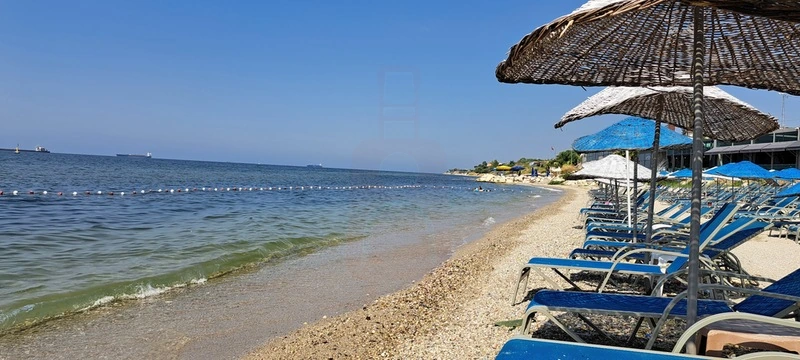
Most Popular 10 Beaches in Beylikdüzü
21-01-2025 00:10

The Turkish education system operates on an academic calendar that includes several scheduled breaks throughout the year. These breaks are distinct from national public holidays, although they may occasionally overlap. The primary school holiday periods are the summer break, a mid-term break often called the semester break, and a shorter break typically falling in the spring. Exact dates for these holidays are announced annually by the Ministry of National Education.
The longest school holiday in Turkey is the summer break. It generally begins in mid-June and extends until mid-September. During this time, many Turkish families travel domestically, leading to increased demand for hotels, flights, and bus services, particularly in popular coastal regions and major cities. Attractions can be more crowded, and prices for various services may be higher. Travelers seeking a quieter experience might consider visiting Turkey outside of the peak summer months.
Known as the 'sömestr tatili' or semester break, this period usually occurs in late January or early February and lasts for about two weeks. It marks the half-way point of the academic year. Similar to the summer holidays, this break sees a surge in domestic travel, with popular destinations including ski resorts, thermal spas, and cultural sites. Advance booking for accommodation and transportation is highly recommended if traveling during this time.
A shorter break, often referred to as a "first-term break" or "spring break," typically takes place for about one week in April. While shorter than the other main breaks, it still contributes to an increase in domestic tourism, especially as the weather becomes more pleasant across much of Turkey. Families often use this time for short trips, making some destinations moderately busier. Checking the specific dates for the current year is advisable for travel planning.
For international visitors, understanding the Turkish school holiday schedule is vital for travel planning. Traveling during these periods often means encountering more crowds, especially at major tourist attractions, airports, and bus terminals. Accommodation and flight prices can also be higher due to increased demand. To potentially mitigate these impacts, travelers should consider booking well in advance or planning their visit during non-holiday periods. Always consult official sources for the most current academic calendar before finalizing travel arrangements.

Inspired? Dive deeper into related historical sites, cities, and travel tips.
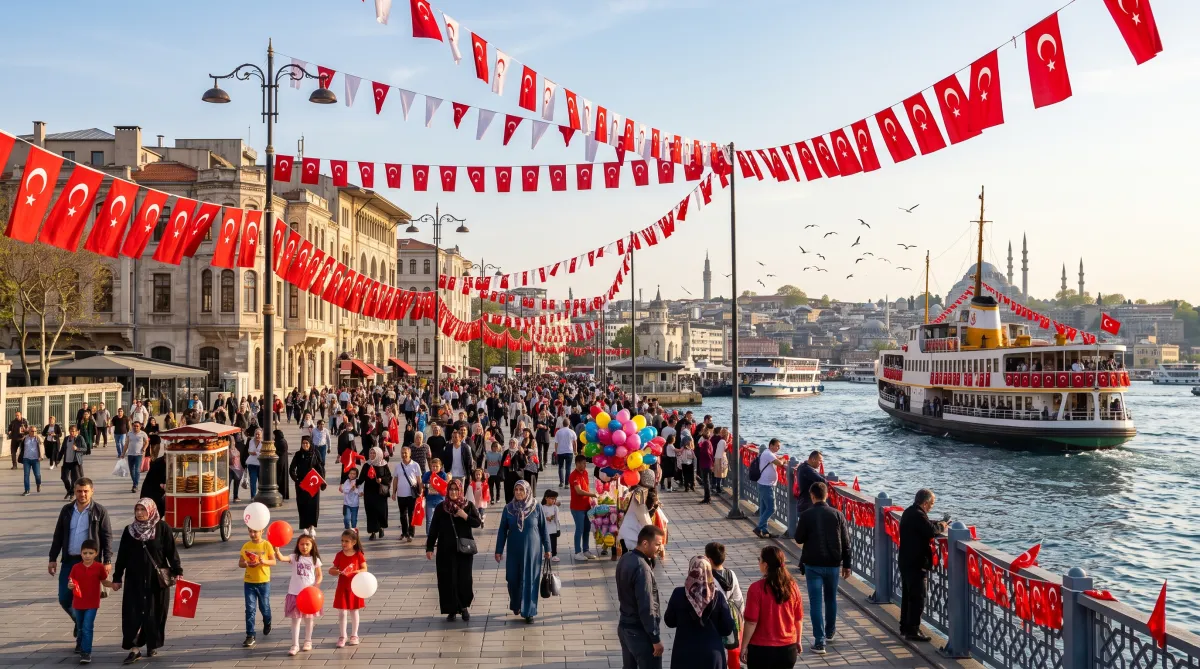
Turkey observes a mix of national and religious official holidays. National holidays are fixed dates commemorating key historical events or national sovereignty. Religious holidays, known as Bayramlar, follow the lunar calendar, meaning their dates shift each year. These periods are significant for locals, often involving family gatherings and travel, which can impact transportation and service availability for visitors. Always check the specific dates for movable religious holidays before fin

Turkey observes two principal Islamic religious holidays, Ramazan Bayramı (Eid al-Fitr) and Kurban Bayramı (Eid al-Adha), which are public holidays based on the lunar calendar, meaning their dates shift each year. These periods are characterized by family gatherings, feasts, and traditional observances, significantly impacting daily life and travel services across the country. Travelers should anticipate increased domestic travel, potential closures, and a festive atmosphere.
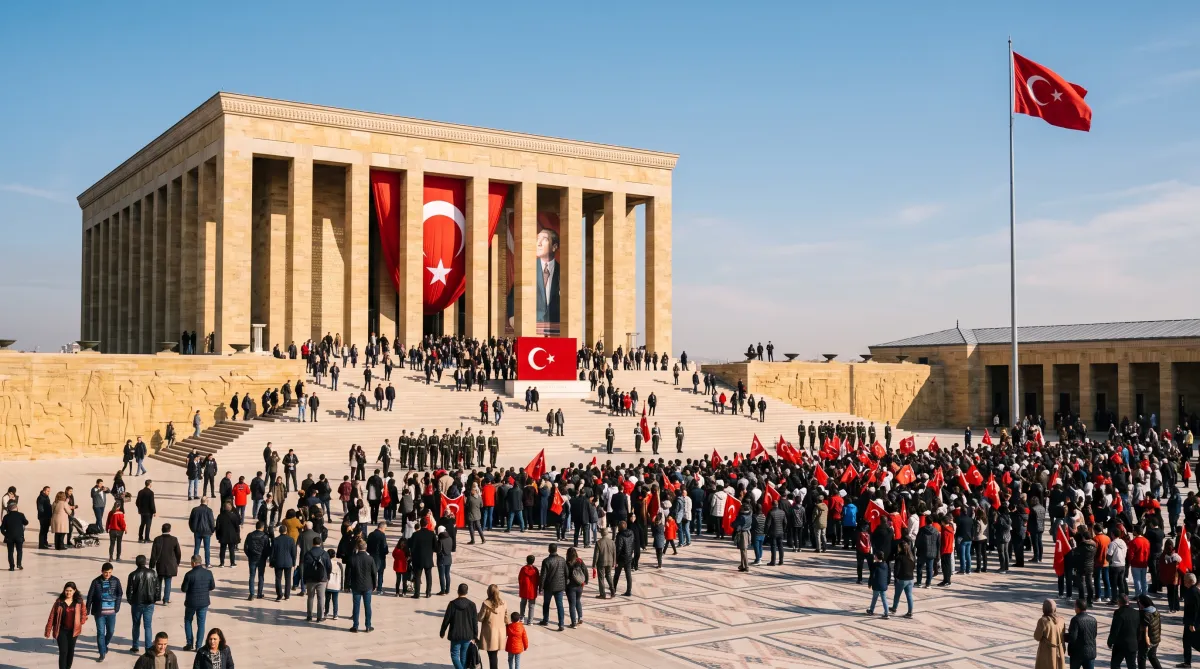
Turkey observes several national days, deeply rooted in its history and the foundation of the Republic. These public holidays are significant patriotic commemorations, marking key historical events and figures. They are celebrated nationwide with official ceremonies, parades, and public gatherings, reflecting the strong sense of national identity. For travelers, understanding these days is important as many businesses, banks, and government offices may close, impacting travel plans. Always check
Understanding the school holiday schedule in Turkey is crucial for travelers, as these periods significantly impact domestic tourism, accommodation availability, and transportation prices. Turkish schools typically observe a summer break, a mid-term (semester) break, and a short break in the spring, in addition to public holidays. Planning around these times can help avoid peak crowds and ensure a smoother travel experience.

