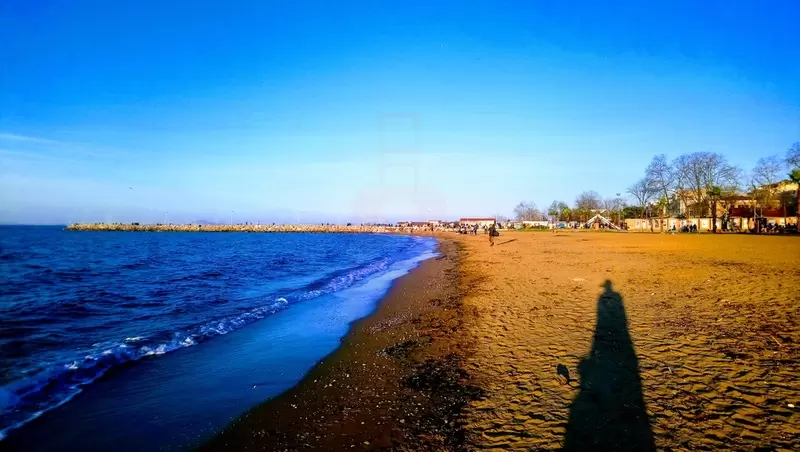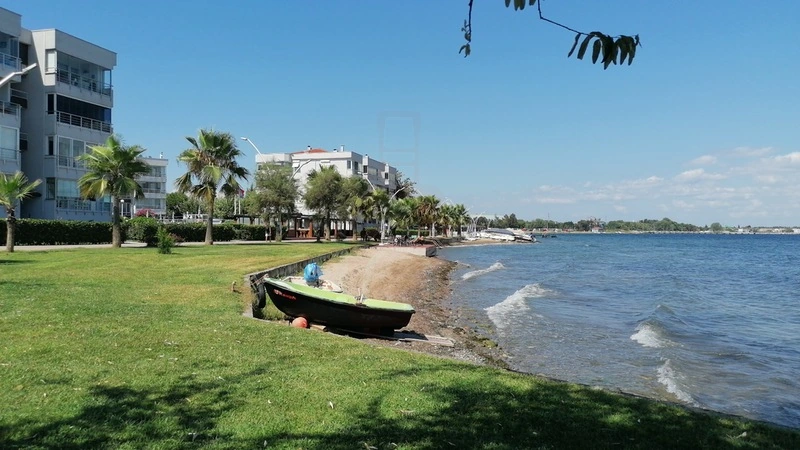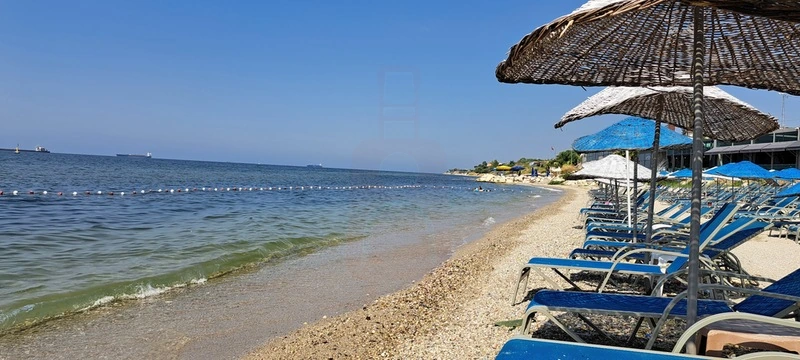
Most Popular 10 Beaches in Beylikdüzü
21-01-2025 00:10
Geographically Indicated Products (GIPs) are unique goods that derive their quality and reputation from specific geographical origins. In Turkey, these products reflect the rich agricultural heritage and diverse local traditions. Notable examples include Turkish olives, famed for their distinct flavors, and the renowned Antep pistachios, prized for their quality. Other GIPs include various cheeses, such as Çamlıhemşin and Ezine, alongside traditional crafts like Turkish carpets. Visitors can explore local markets and artisanal shops to experience authentic tastes and craftsmanship. Sampling these products not only supports local economies but also offers a deeper understanding of the region's culture and culinary heritage.
Geographically Indicated Products in Turkey
Turkey is home to a rich array of Geographically Indicated Products (GIPs) that reflect its diverse regions and cultural heritage. These products are not only celebrated for their unique qualities but also for the traditions behind their production. Exploring these GIPs offers a fascinating journey through Turkey's landscapes and local customs.
Location and Notable GIPs
Turkey's diverse geography contributes to its wide variety of GIPs. Regions such as Aegean, Marmara, and Southeastern Anatolia are particularly known for their specialty products. For instance, the Aegean region is famous for its olive oils, especially from Ayvalık, while Gaziantep is renowned for its pistachios and baklava. The unique terroir of each area imparts distinct flavors and qualities to these products.
Facilities and Local Markets
Visitors can find numerous facilities dedicated to the production and sale of GIPs. Local markets, such as the Grand Bazaar in Istanbul and the local bazaars in Gaziantep, offer a vibrant atmosphere where travelers can sample and purchase authentic products. Many regions also have farms and workshops where tourists can engage in hands-on experiences, such as olive oil tasting or pottery making.
Water Sports Opportunities
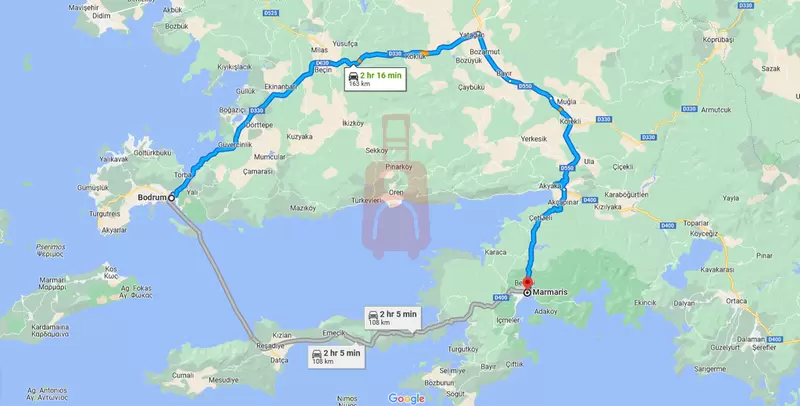
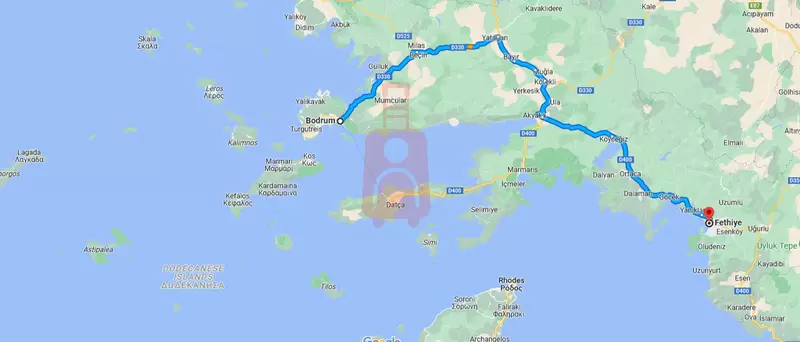
While exploring GIPs, visitors can also enjoy various water sports along Turkey's stunning coastlines. Regions like Bodrum and Fethiye offer activities such as sailing, snorkeling, and diving, providing a perfect blend of culinary exploration and adventure. The clear waters of the Aegean and Mediterranean seas enhance the experience, making it a great way to relax after tasting local delicacies.
Nearby Attractions
Many GIP areas are near significant historical and natural attractions. For example, while in Gaziantep for its pistachios, visitors can explore the ancient city of Zeugma and its stunning mosaics. In the Aegean region, travelers can visit the ancient ruins of Ephesus and enjoy the beautiful beaches of Çeşme. Each location offers a unique backdrop that enriches the experience of discovering local products.
Accessibility
Turkey is well-connected with a network of roads, domestic flights, and public transport, making it easy to access regions known for their GIPs. Major cities like Istanbul, Izmir, and Antalya serve as gateways to various GIP locations, with frequent bus and train services available to reach smaller towns and rural areas.
Best Time to Visit
The best time to explore Turkey's Geographically Indicated Products is during the spring (April to June) and autumn (September to November) months. During these seasons, temperatures range from 15°C to 25°C, providing a pleasant climate for outdoor activities and market visits. Additionally, these periods coincide with harvest times for many local products, allowing visitors to experience the freshness of seasonal offerings.
In summary, Turkey's Geographically Indicated Products offer a rich tapestry of flavors and traditions that reflect the country's diverse heritage. From vibrant local markets to stunning landscapes and exciting water sports, each region provides a unique experience for travelers eager to explore Turkey's culinary treasures.
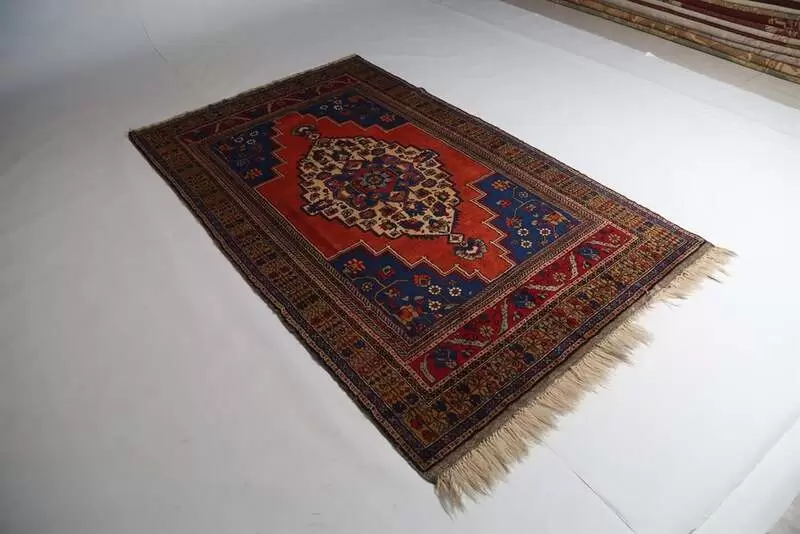
Taspinar Hand-made Carpet is a distinguished example of traditional Turkish craftsmanship, featuring stylized floral and geometric motifs. These patterns are arranged to form a corner-center composition, with empty spaces on the carpet surface adding a unique aesthetic balance. Known for its vibrant colors such as deep blue, red, and white, the carpet also incorporates subtle shades of light green, yellow, blue, and camel tones. Made using high-quality materials, Taspinar Hand-made Carpets are celebrated for their bright colors and intricate designs, reflecting the cultural heritage and artistic finesse of the Taspinar region. These carpets are not only functional but also serve as timeless decorative pieces.
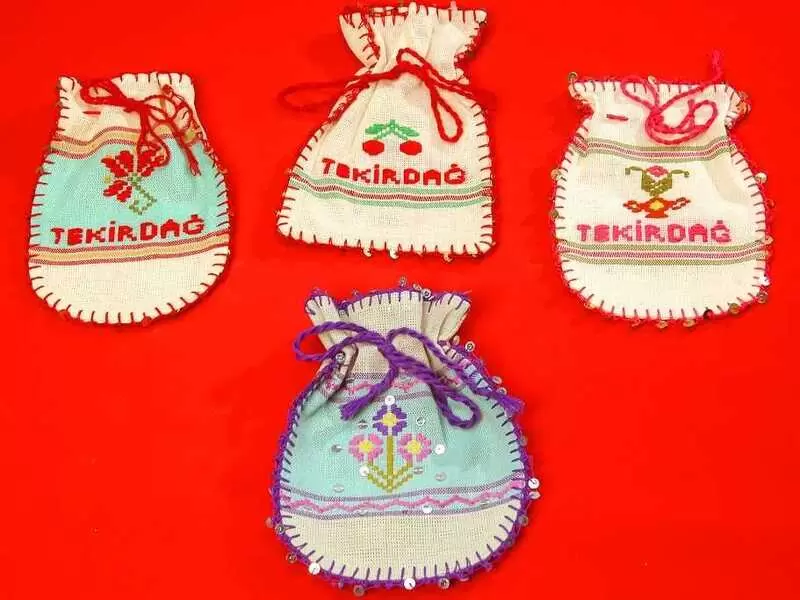
Karacakılavuz Dimi Dokuması is a traditional textile art originating from Tekirdağ's Süleymanpaşa district. Crafted on four-pedal wooden looms using a combination of dimi and cicim weaving techniques, these textiles are known for their vibrant patterns and durability. The yarns, dyed with natural or aniline colors, create visually striking designs that are used for items like prayer rugs, curtains, cushions, bags, and garments. With its blend of traditional motifs and versatile applications, Karacakılavuz Dimi Dokuması showcases the cultural richness and craftsmanship of the region.
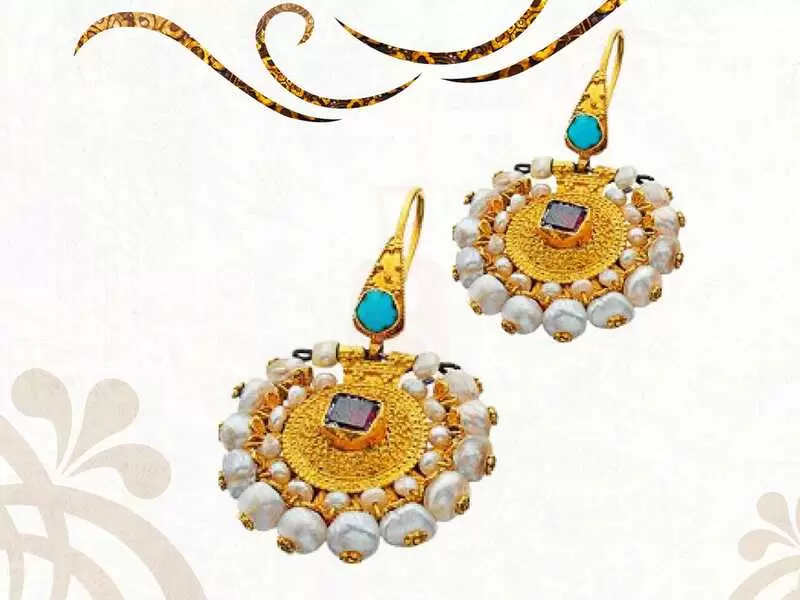
Sivrihisar Pearl Earring is a handcrafted piece of jewelry symbolizing the rich cultural heritage of Sivrihisar. Made with delicate craftsmanship, it combines intricate filigree gold or silverwork with pearls and gemstones, forming a distinctive flower-shaped design. Each earring consists of 180-250 parts meticulously assembled by skilled artisans using traditional techniques passed down through generations. The pearls signify purity, while the central gemstones represent protection and vitality. Originally crafted in 22-karat gold, modern variations use 14-karat gold or 925 sterling silver for accessibility. The Sivrihisar Pearl Earring is a timeless accessory blending cultural tradition and artistic finesse.
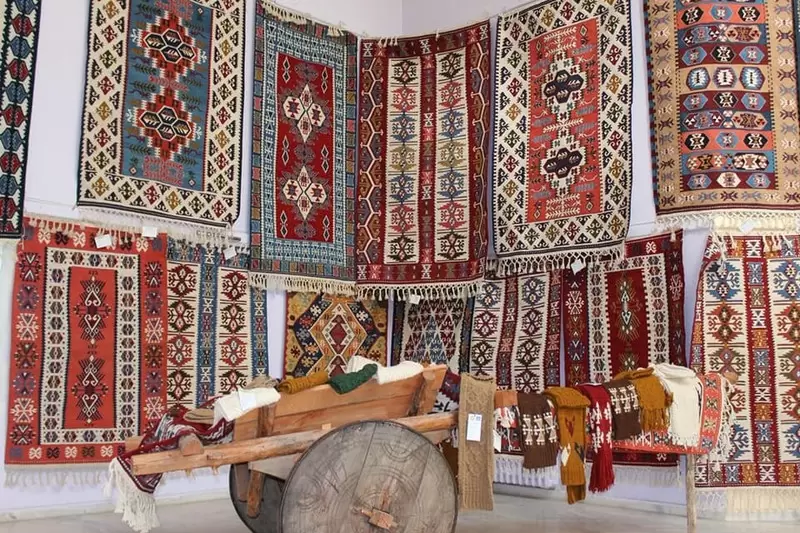
Bayat Turkmen Kilim is a traditional handcrafted textile known for its rich colors and intricate designs, woven using high-quality wool spun by hand and dyed with natural root-based dyes. Its colors, initially deep and matte, become more vibrant and radiant with time and use. Completely handmade on metal looms, this kilim uses natural materials and showcases exceptional craftsmanship. The colors are long-lasting, resistant to fading, and safe for washing without the risk of bleeding. Representing the cultural heritage of the Bayat region, Bayat Turkmen Kilim combines durability, beauty, and authenticity, making it a cherished symbol of Turkish weaving art.
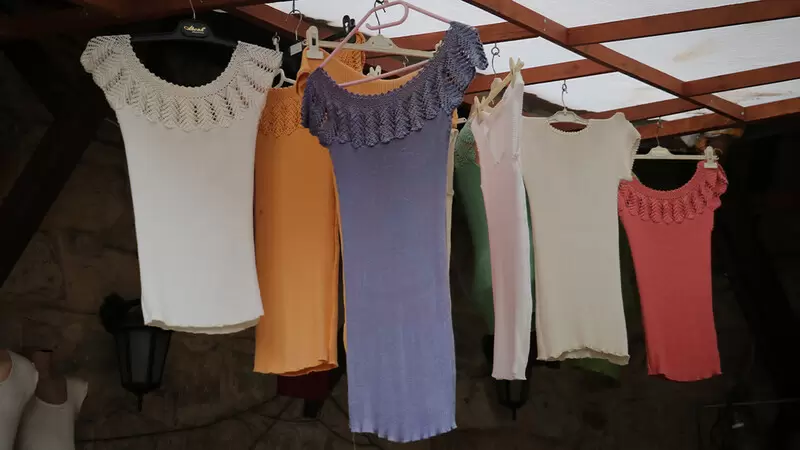
Kastamonu Knitted Undershirt is a traditional handmade product crafted exclusively from 100% cotton yarn, ensuring comfort and versatility for all seasons. Known for its breathability and moisture-absorbing properties in summer and warmth retention in winter, it embodies the region's textile heritage. Produced using the 2x1 rib knitting technique, it provides exceptional elasticity and a snug fit, offering ease of movement and comfort. The undershirts are meticulously crafted without using scissors for cutting and feature hand-sewn seams and decorative elements. Initially used as innerwear during the Turkish War of Independence, it has evolved into a stylish garment, appreciated for its heritage and functionality.
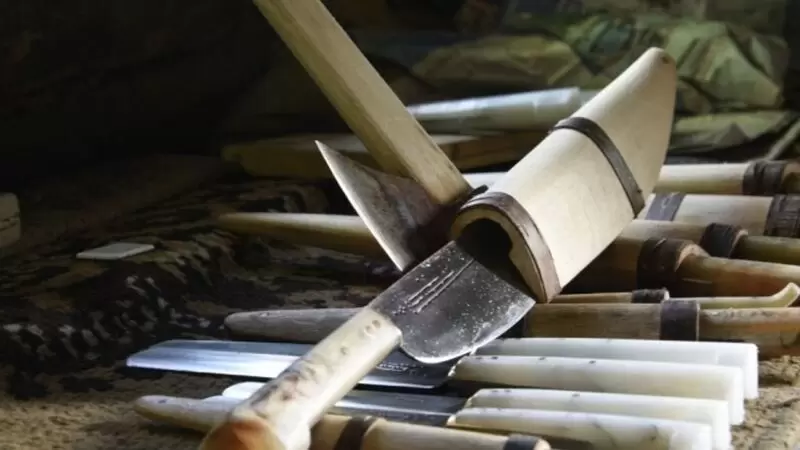
Evrenye Knife is a handcrafted steel blade known for its sharpness and traditional craftsmanship. Originating from the Evrenye region, this knife features a handle often made from goat horn and a sheath crafted from alder wood, highlighting the use of natural materials. With a distinctive curved and pointed design, it serves various purposes such as slicing bread, meat, and general kitchen tasks. Its uniqueness is enhanced by decorative patterns on non-bread knives. Evrenye Knife has a deep-rooted tradition tied to the region's maritime heritage, where it was historically traded. Each piece represents the skill and artistry passed down through generations, making it a prized local artifact.
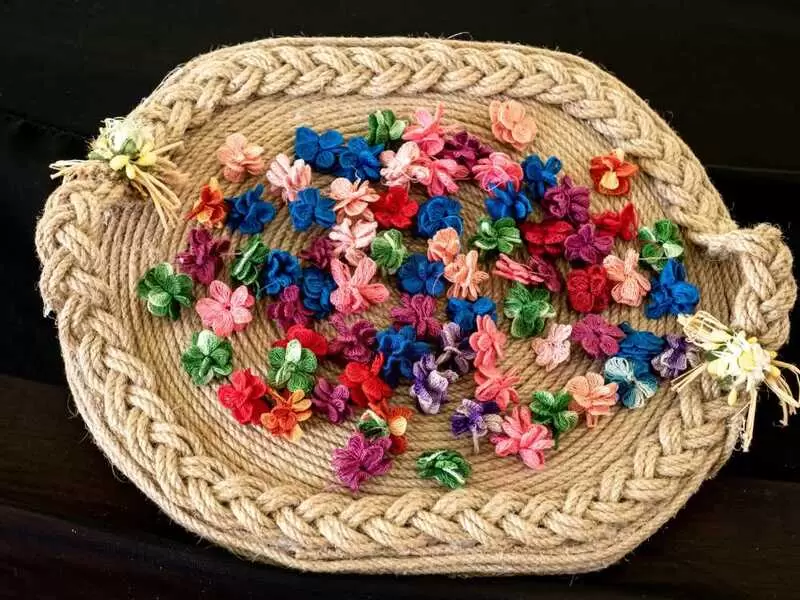
Uluborlu Çeki Lace is a traditional handcrafted lacework adorning the edges of square scarves called "çeki," typically measuring 90x90 cm. Created using colorful mercerized thread and a crochet hook, this intricate lace is recognized for its three-dimensional floral motifs such as roses, cherry blossoms, and violets. The green base and vibrant colors like pink, red, and yellow bring life to the designs. Unique to Uluborlu, the lace is stiffened with natural milk from the Astragalus plant, enhancing its durability and structure. With a heritage rooted in the region’s cultural identity, Uluborlu Çeki Lace remains a stunning representation of local artistry and tradition.
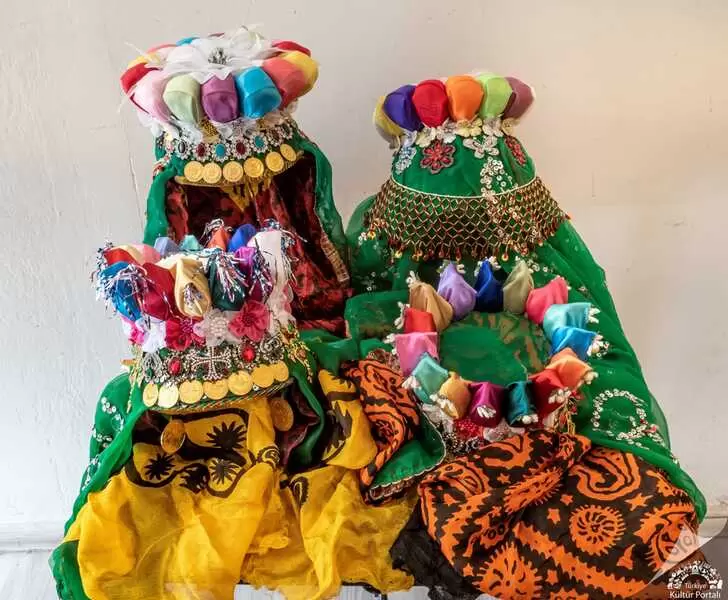
Senirkent Bridal Fez is a traditional handmade accessory from Isparta's Senirkent district, deeply rooted in local culture. Made from stiffened felt, it features intricate decorations unique to the region. The fez is custom-made for brides, symbolizing cultural heritage during weddings. Adorned with gold ornaments, vibrant organza flower buds, and other intricate embellishments, it reflects the natural and cultural richness of the area. The design includes elements like dululuk ribbons and decorative motifs inspired by local flora, showcasing artistic craftsmanship. The fez, gifted during marriage ceremonies, holds a special place in traditional customs, connecting past traditions to modern celebrations.