Most Popular 10 Beaches in Beylikdüzü
21-01-2025 00:10
Geographically Indicated Products (GIPs) are unique goods that derive their quality and reputation from specific geographical origins. In Turkey, these products reflect the rich agricultural heritage and diverse local traditions. Notable examples include Turkish olives, famed for their distinct flavors, and the renowned Antep pistachios, prized for their quality. Other GIPs include various cheeses, such as Çamlıhemşin and Ezine, alongside traditional crafts like Turkish carpets. Visitors can explore local markets and artisanal shops to experience authentic tastes and craftsmanship. Sampling these products not only supports local economies but also offers a deeper understanding of the region's culture and culinary heritage.
Geographically Indicated Products in Turkey
Turkey is home to a rich array of Geographically Indicated Products (GIPs) that reflect its diverse regions and cultural heritage. These products are not only celebrated for their unique qualities but also for the traditions behind their production. Exploring these GIPs offers a fascinating journey through Turkey's landscapes and local customs.
Location and Notable GIPs
Turkey's diverse geography contributes to its wide variety of GIPs. Regions such as Aegean, Marmara, and Southeastern Anatolia are particularly known for their specialty products. For instance, the Aegean region is famous for its olive oils, especially from Ayvalık, while Gaziantep is renowned for its pistachios and baklava. The unique terroir of each area imparts distinct flavors and qualities to these products.
Facilities and Local Markets
Visitors can find numerous facilities dedicated to the production and sale of GIPs. Local markets, such as the Grand Bazaar in Istanbul and the local bazaars in Gaziantep, offer a vibrant atmosphere where travelers can sample and purchase authentic products. Many regions also have farms and workshops where tourists can engage in hands-on experiences, such as olive oil tasting or pottery making.
Water Sports Opportunities
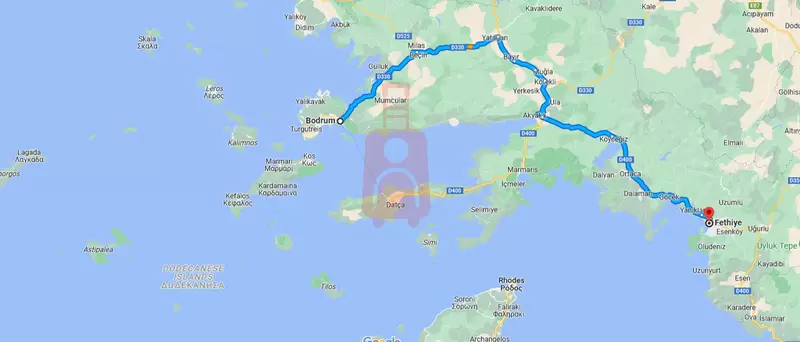
While exploring GIPs, visitors can also enjoy various water sports along Turkey's stunning coastlines. Regions like Bodrum and Fethiye offer activities such as sailing, snorkeling, and diving, providing a perfect blend of culinary exploration and adventure. The clear waters of the Aegean and Mediterranean seas enhance the experience, making it a great way to relax after tasting local delicacies.
Nearby Attractions
Many GIP areas are near significant historical and natural attractions. For example, while in Gaziantep for its pistachios, visitors can explore the ancient city of Zeugma and its stunning mosaics. In the Aegean region, travelers can visit the ancient ruins of Ephesus and enjoy the beautiful beaches of Çeşme. Each location offers a unique backdrop that enriches the experience of discovering local products.
Accessibility
Turkey is well-connected with a network of roads, domestic flights, and public transport, making it easy to access regions known for their GIPs. Major cities like Istanbul, Izmir, and Antalya serve as gateways to various GIP locations, with frequent bus and train services available to reach smaller towns and rural areas.
Best Time to Visit
The best time to explore Turkey's Geographically Indicated Products is during the spring (April to June) and autumn (September to November) months. During these seasons, temperatures range from 15°C to 25°C, providing a pleasant climate for outdoor activities and market visits. Additionally, these periods coincide with harvest times for many local products, allowing visitors to experience the freshness of seasonal offerings.
In summary, Turkey's Geographically Indicated Products offer a rich tapestry of flavors and traditions that reflect the country's diverse heritage. From vibrant local markets to stunning landscapes and exciting water sports, each region provides a unique experience for travelers eager to explore Turkey's culinary treasures.
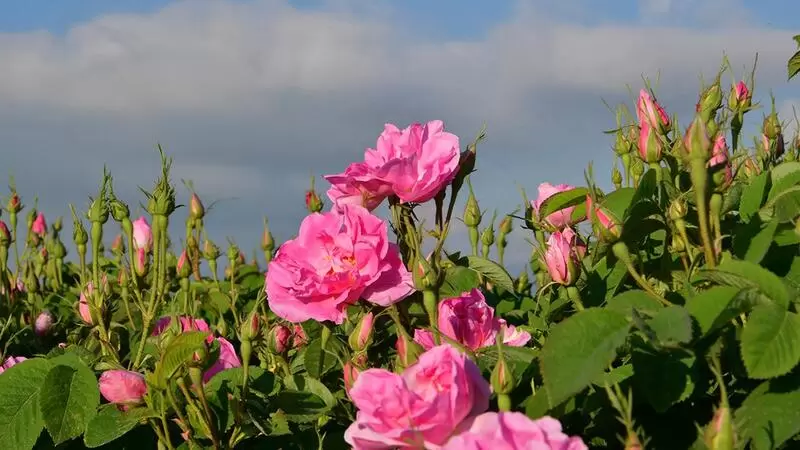
Isparta Rose, also known as Rosa damascena or the Damask Rose, is renowned for its captivating fragrance and high-quality oil production. Introduced to Isparta in 1888, this delicate pink rose thrives in the region's unique climate, a blend of Mediterranean and continental characteristics. Cultivated in open, sunlit fields, the roses benefit from dew-rich mornings that enhance their oil yield. Isparta is a global hub for rose oil, with its blossoms used in perfumes, cosmetics, and aromatherapy. The tradition of rose cultivation in Isparta is a testament to the region's agricultural heritage and natural beauty.
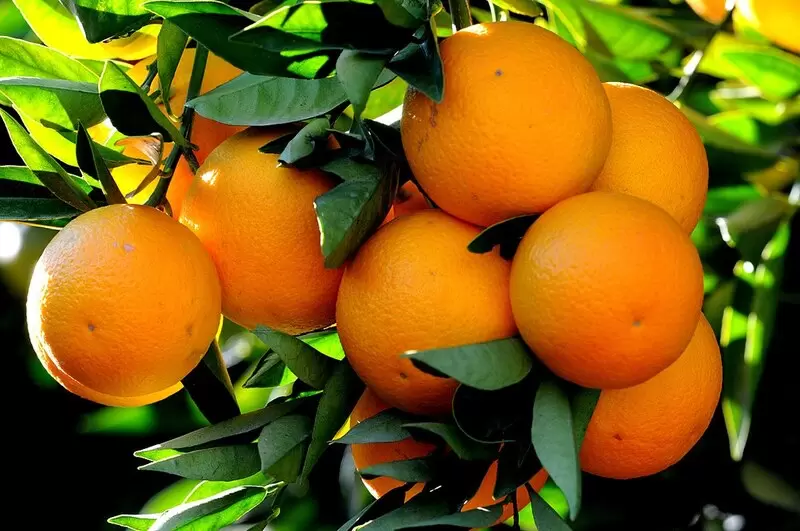
Kozan Orange, cultivated in Turkey's Kozan district, is known for its vibrant color, juicy texture, and rich flavor. Grown in a unique micro-ecological environment surrounded by limestone hills, these oranges benefit from the region's ideal climate and abundant water. With a medium-thick, slightly textured peel and dark orange flesh, Kozan Orange is highly versatile, perfect for both fresh consumption and industrial use. Its harvest season spans from December to April, ensuring a fresh supply during the winter months. Renowned for its sweetness and minimal seeds, it embodies the agricultural heritage and natural bounty of Kozan.

Kars Honey is a premium product from the high-altitude meadows of Kars, crafted by bees collecting nectar from thousands of wildflowers, including many endemic species. Known for its light aroma, distinctive taste, and smooth texture, Kars Honey reflects the purity of the region’s untouched nature. The area’s unique climate, volcanic soils, and long winters contribute to its exceptional quality, making it a sought-after delicacy and a symbol of Kars’ rich agricultural heritage. This honey has been cherished for centuries, even gracing the tables of Ottoman palaces.
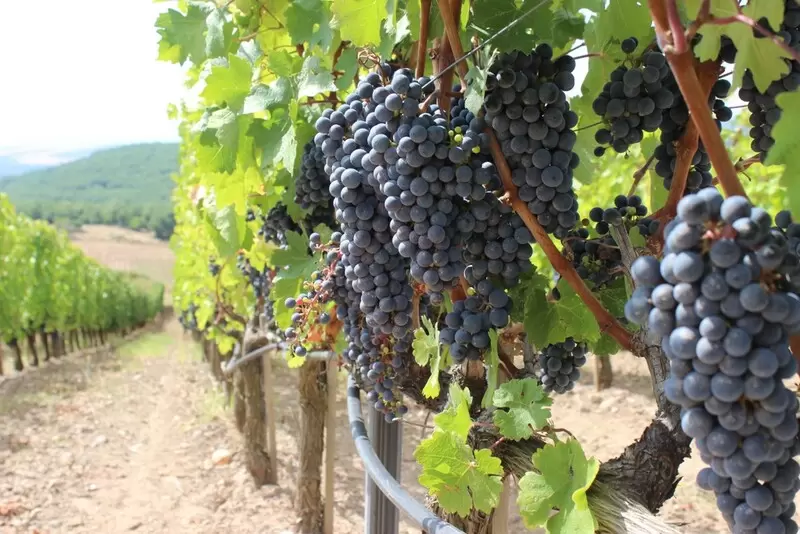
Kalecik Karası Grape, a premium red wine grape variety from Turkey's Kalecik region, is celebrated for its unique flavor and aromatic profile. Grown in soils rich in calcium, combined with the microclimate created by the Kızılırmak River, this grape thrives in the region’s distinct environment. Known for its balanced acidity and rich bouquet, Kalecik Karası is the cornerstone of high-quality Turkish red wines. Its cultivation reflects centuries of tradition, making it a vital part of the local economy and a symbol of the region’s vinicultural heritage.
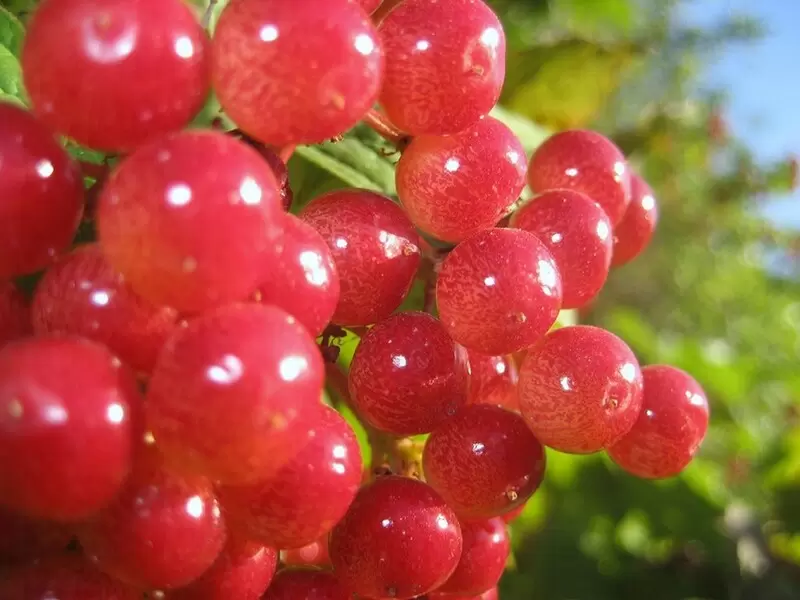
Gemerek Gilaburusu is a vibrant red berry grown in Turkey’s Gemerek region, known for its juicy, large, and thin-skinned fruit. This unique plant thrives near water-rich areas and produces high-yield harvests, with each tree bearing up to 10 kilograms of berries. The berries grow in spherical clusters, offering a tart yet refreshing taste, with a juice extraction rate of approximately 43 percent. The nutrient-rich soils and favorable climate of Gemerek contribute to the distinct flavor and aroma of this regional specialty, celebrated for its natural qualities and traditional cultivation methods.
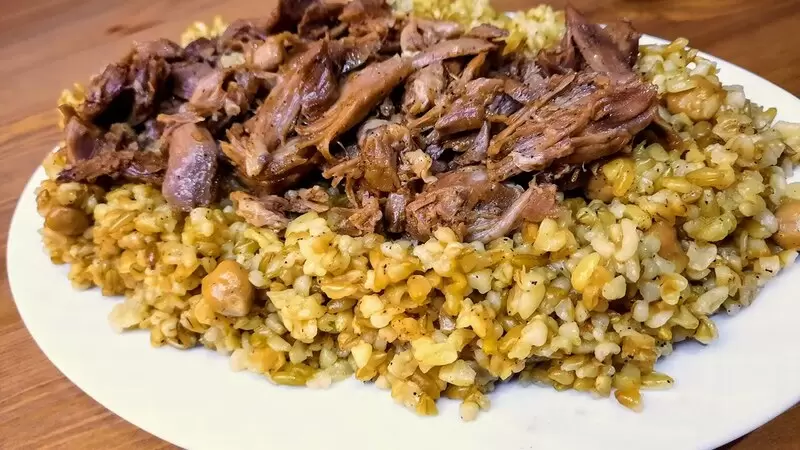
Antep Firiği is a traditional Turkish grain made from durum wheat harvested while still green. The wheat is smoked over open flames in the fields, imparting a distinctive smoky aroma and flavor. The grains are then cleaned and processed into a greenish-yellow product known for its soft texture and unique taste. Rich in nutrients like fruktooligosaccharides, it offers health benefits such as improved digestion and immunity support. Antep Firiği is a prized ingredient in regional cuisine, celebrated for its versatility and deep connection to Gaziantep’s agricultural heritage.
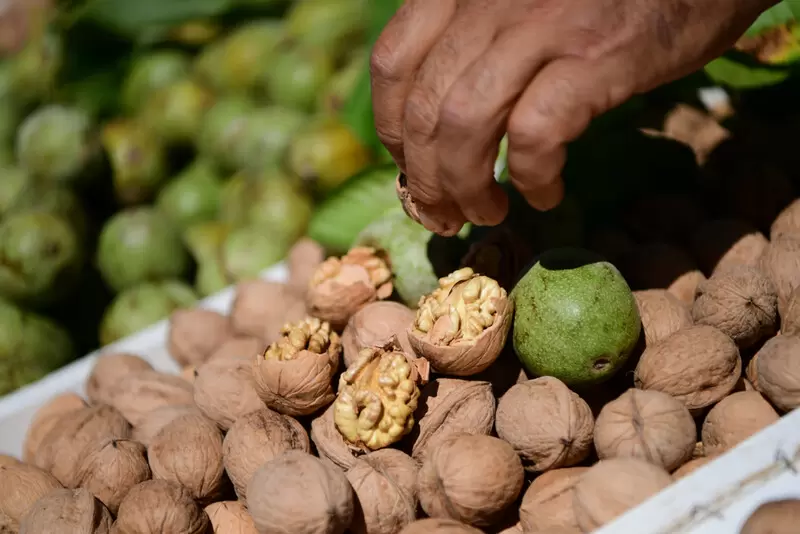
Caglayancerit Walnut, a native variety of Kahramanmaraş’s Çağlayancerit district, is renowned for its large size, light-yellow kernel color, and smooth texture. This premium walnut is easy to crack, allowing the kernel to be removed whole, and is resistant to pests and diseases. Grown naturally without chemical pesticides or fertilizers, it thrives in the region’s ideal climate and fertile alluvial soils. Known for its high yield and annual consistency, Caglayancerit Walnut embodies the rich agricultural heritage of its region, offering exceptional quality and flavor.
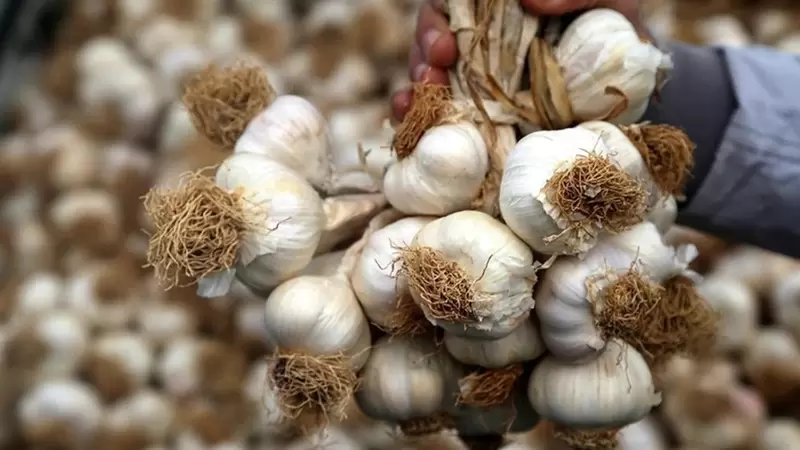
Taşköprü Garlic, grown in Turkey’s Taşköprü region, is renowned for its pungent aroma, sharp flavor, and exceptional quality. Characterized by its white outer skin, pink clove coverings, and creamy-yellow clove interiors, it stands out among garlic varieties. Rich in selenium and other nutrients, it is prized for its medicinal properties and long shelf life, lasting 8–10 months under standard storage conditions. Known for its high dry matter content and robust structure, Taşköprü Garlic is a staple in Turkish cuisine and a sought-after export product, reflecting the agricultural heritage of its region.