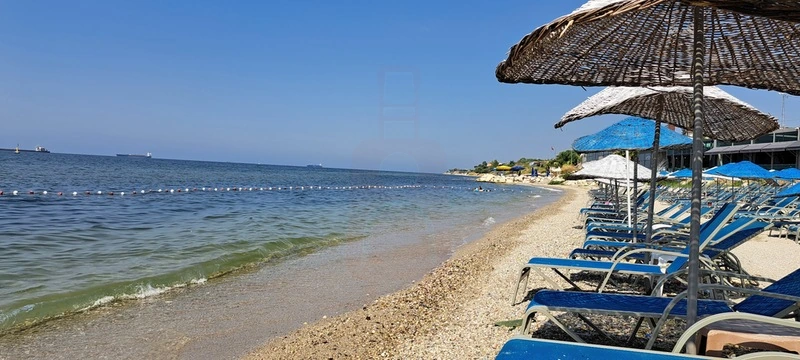
Most Popular 10 Beaches in Beylikdüzü
21-01-2025 00:10
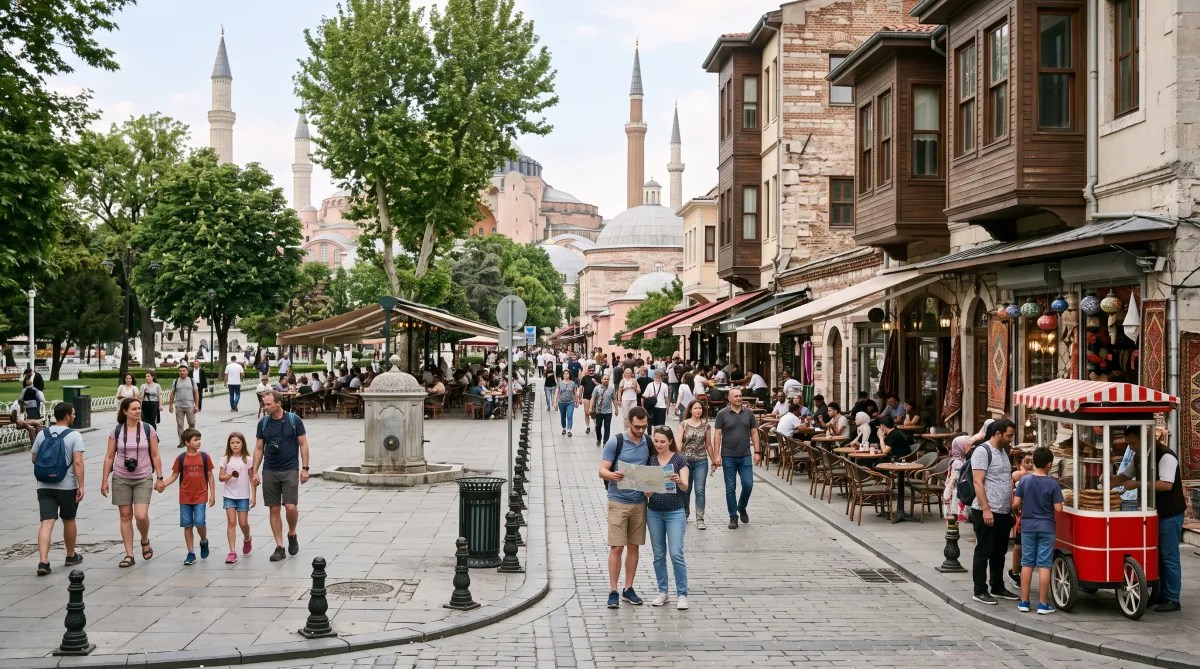
Most visits to Turkey are trouble-free, but it's important to remain vigilant. Petty crime, such as pickpocketing and bag snatching, can occur in crowded tourist areas, particularly in major cities and public transport hubs. Keep valuables secure and out of sight. Be wary of unsolicited help or overly friendly strangers, which can sometimes be a precursor to scams. Avoid walking alone in poorly lit or unfamiliar areas at night. If approached by someone offering services or attempting to take you to a specific shop or restaurant, politely decline and continue on your way.
Before traveling, ensure your routine vaccinations are up-to-date. Consider travel insurance that covers medical emergencies and evacuation. Tap water is generally not safe for drinking; stick to bottled water. Be mindful of food hygiene, especially with street food, and wash your hands frequently. Pharmacies are widely available and often identifiable by a red 'E' sign. For serious medical concerns, major cities have well-equipped hospitals. Familiarize yourself with local emergency service numbers before your trip.
Turkey has conservative elements, and respecting local customs is crucial. Dress modestly, especially when visiting religious sites. Public displays of affection are generally frowned upon. Possessing, using, or trafficking illegal drugs carries severe penalties, including lengthy prison sentences. It is illegal to insult the Turkish nation, its flag, or Atatürk. Always carry a form of identification, such as a photocopy of your passport or your national ID, as authorities may request it. Photography near military or government buildings is often prohibited.
Public transportation in major cities like Istanbul and Ankara is generally efficient and safe. When using taxis, ensure the meter is used or agree on a fare beforehand. Be cautious when crossing roads, as traffic can be fast-paced and unpredictable. If renting a car, be aware that driving standards and road conditions can vary significantly outside of major highways. It is advisable to use reputable rental companies and have appropriate insurance coverage. Always wear seatbelts and adhere to local traffic laws.
Turkey is in an active seismic zone, meaning earthquakes can occur. Familiarize yourself with basic earthquake safety procedures. Major earthquakes are rare in tourist areas, but minor tremors are more common. Be aware of the local emergency numbers for police, ambulance, and fire services. In case of an emergency, contact your embassy or consulate for assistance. Always follow advice from local authorities.
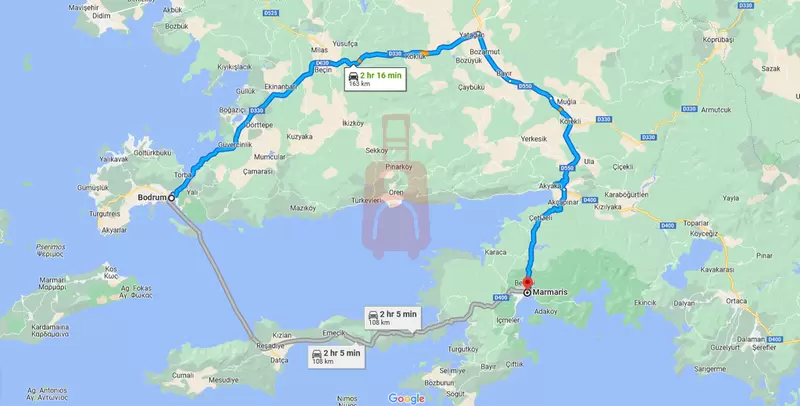
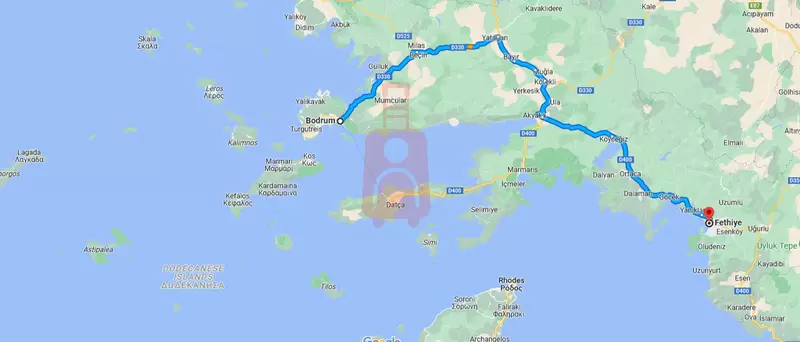

Inspired? Dive deeper into related historical sites, cities, and travel tips.
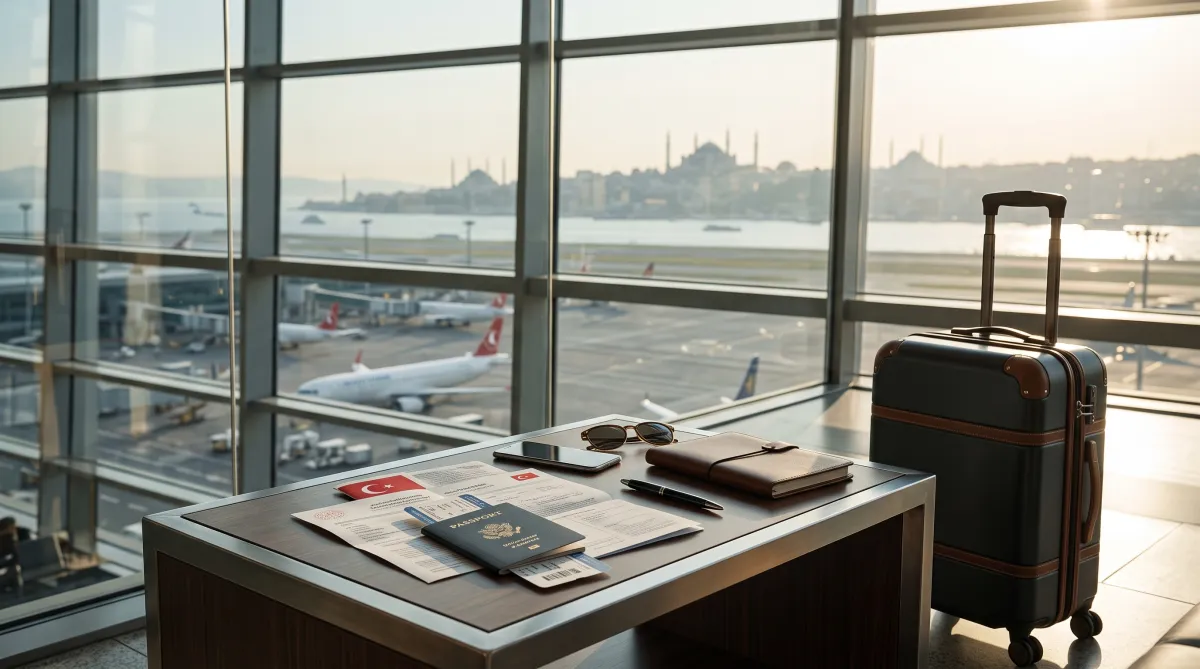
Traveling to Türkiye often requires a visa, depending on your nationality and the purpose and duration of your visit. Many travelers from eligible countries can easily obtain an e-Visa online before their trip, while others may need to apply for a traditional visa through a Turkish embassy or consulate. It is crucial to confirm your specific requirements and ensure your passport is valid for at least six months beyond your intended stay. Always check official government sources for the most curr
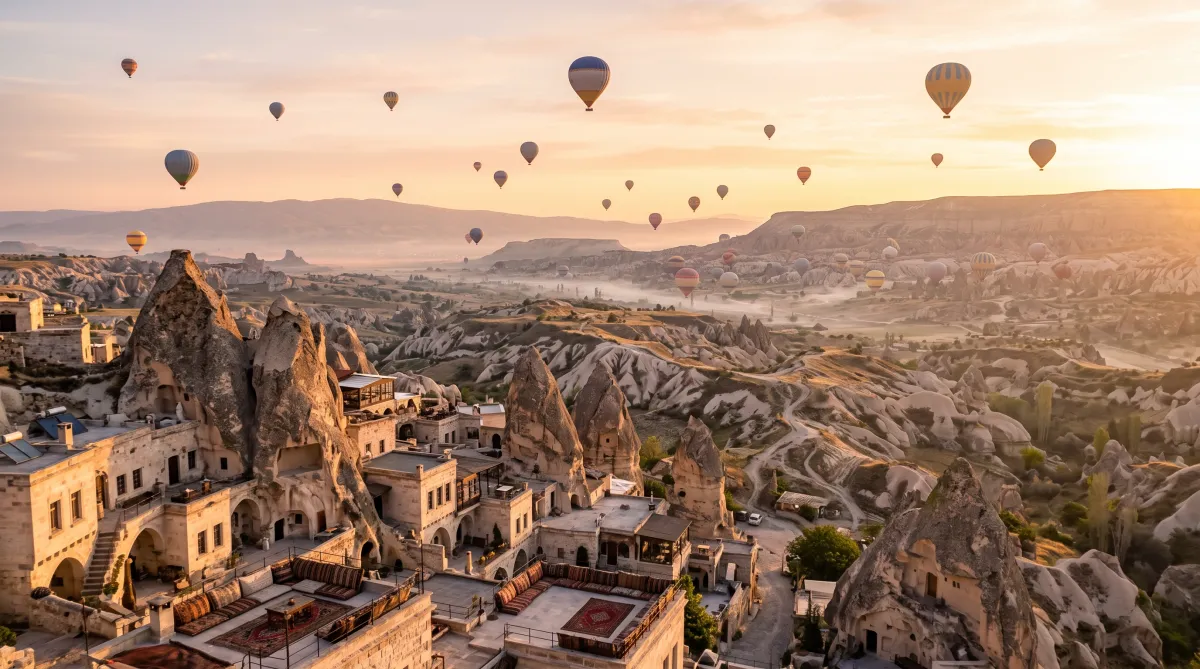
Planning a trip to Turkey requires understanding essential entry requirements, local customs, currency, and health considerations. This guide provides objective, practical advice to help prepare for a smooth and enjoyable visit. Travelers should always consult official government sources for the most current information before departure.
Turkey is generally a safe and welcoming country for tourists, with millions visiting annually. While serious crime against tourists is rare, its wise to practice common sense precautions as you would in any popular travel destination. Stay informed about local conditions, be aware of your surroundings, and respect cultural norms to ensure a pleasant and secure experience. Always check current travel advisories from your home countrys government before departure.
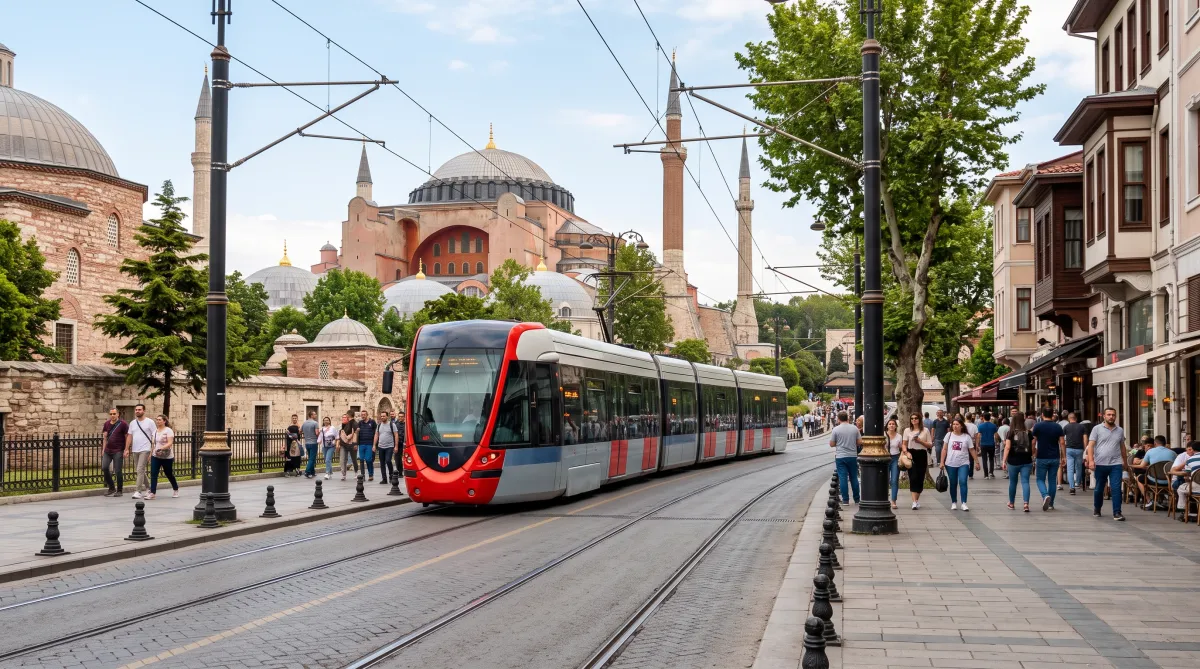
Navigating Turkey is straightforward with its diverse transportation network, ranging from extensive domestic flights connecting major cities to an efficient bus system for intercity travel. Public transport in urban areas includes metros, trams, and dolmuş minibuses, providing convenient and affordable options for exploring. Renting a car offers flexibility for rural exploration, while ferries connect coastal regions and islands. Planning travel in advance is recommended, especially during peak

