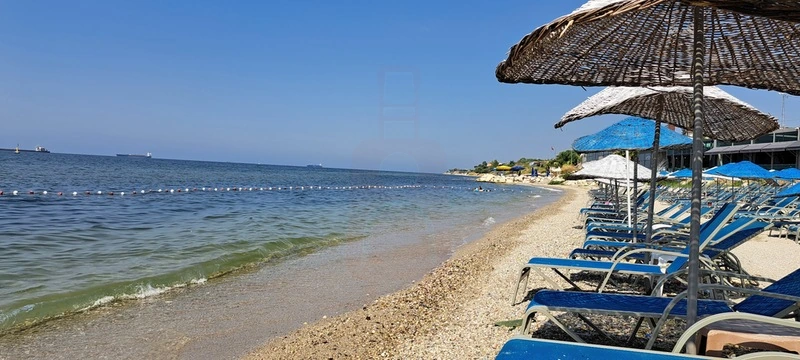
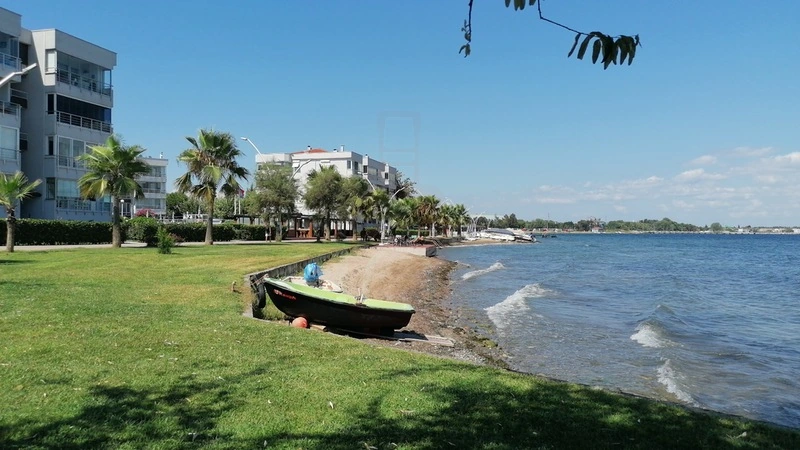
Most Popular 10 Beaches in Beylikdüzü
21-01-2025 00:10

Most foreign nationals require a visa to enter Turkey. Visa types and requirements vary significantly by nationality. Many visitors are eligible for an electronic visa (e-Visa) which can be obtained online prior to arrival. Others may need to apply for a visa at a Turkish embassy or consulate in their home country. Always verify the specific requirements applicable to your nationality and passport type through the official e-Visa portal or the Turkish Ministry of Foreign Affairs website well in advance of your travel date. Ensure your passport is valid for at least six months beyond your intended stay.
The official currency of Turkey is the Turkish Lira (TL or TRY). While major credit cards are widely accepted in cities, hotels, and larger establishments, cash is essential for smaller purchases, local markets, and public transport. ATMs are readily available throughout urban areas. It is advisable to inform your bank of your travel plans to prevent any issues with card usage abroad. Exchange offices are common, but always compare rates and be aware of any commissions. Tipping is customary in restaurants, taxis, and for services; a gratuity of 5-10% is generally appreciated.
No specific vaccinations are mandatory for entry into Turkey, but it is always recommended to consult your doctor regarding routine immunizations and any country-specific health advice. Tap water is generally safe for brushing teeth but bottled water is widely recommended for drinking. Comprehensive travel insurance covering medical emergencies and repatriation is highly advisable. Emergency services can be reached by dialing 112. Be aware of your surroundings, especially in crowded tourist areas, and safeguard your personal belongings. Petty crime can occur; exercise general caution.
Turkish culture is rich in hospitality and tradition. Greetings often involve a handshake. When visiting religious sites like mosques, dress modestly, covering shoulders and knees; women should also cover their heads. Removing shoes before entering mosques or private homes is customary. Basic Turkish phrases like ‘Merhaba’ (Hello), ‘Teşekkür Ederim’ (Thank You), and ‘Lütfen’ (Please) are appreciated. While English is spoken in major tourist areas, learning a few local words enhances your experience. Bargaining is common in markets but not typically in modern shops or restaurants.
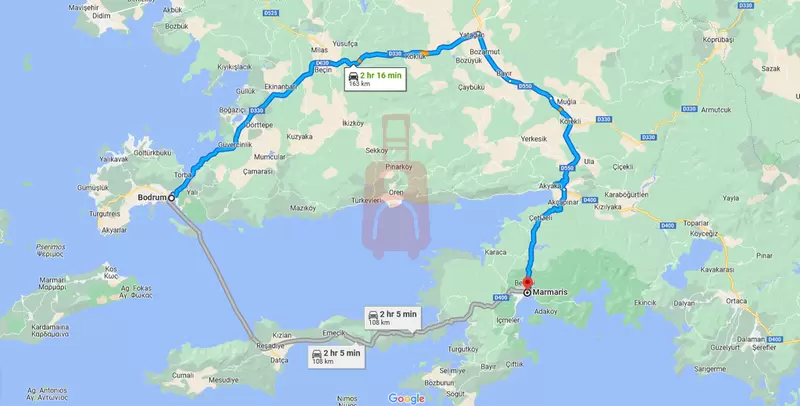
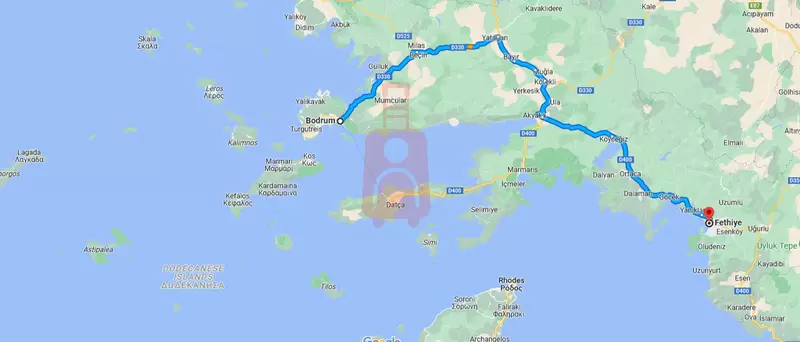

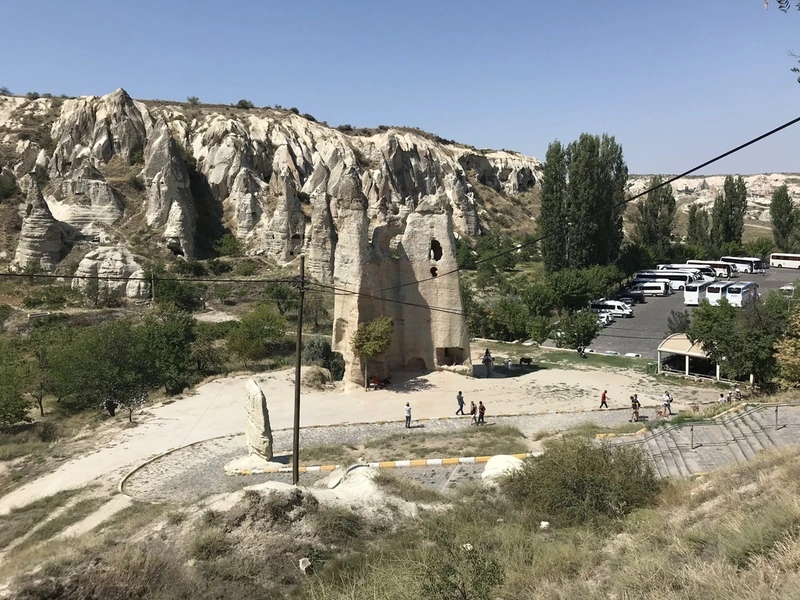

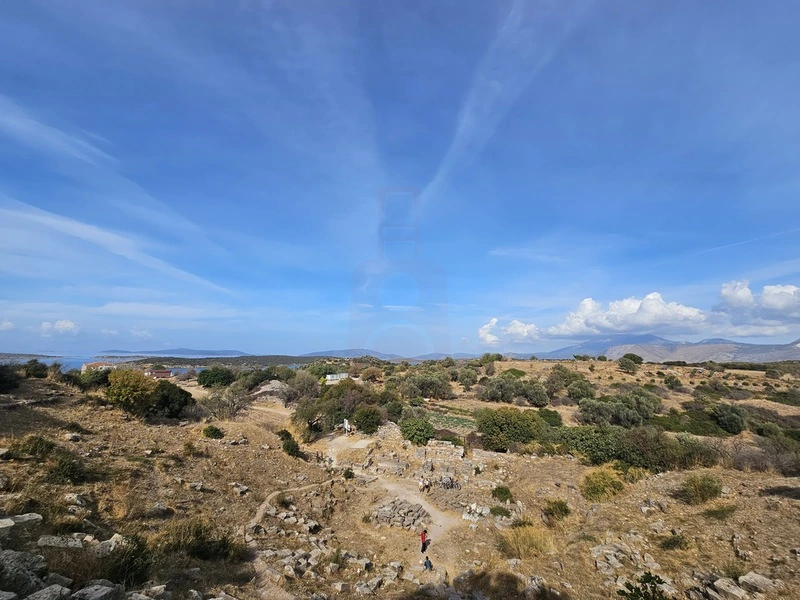
Inspired? Dive deeper into related historical sites, cities, and travel tips.

Traveling to Türkiye often requires a visa, depending on your nationality and the purpose and duration of your visit. Many travelers from eligible countries can easily obtain an e-Visa online before their trip, while others may need to apply for a traditional visa through a Turkish embassy or consulate. It is crucial to confirm your specific requirements and ensure your passport is valid for at least six months beyond your intended stay. Always check official government sources for the most curr
Planning a trip to Turkey requires understanding essential entry requirements, local customs, currency, and health considerations. This guide provides objective, practical advice to help prepare for a smooth and enjoyable visit. Travelers should always consult official government sources for the most current information before departure.
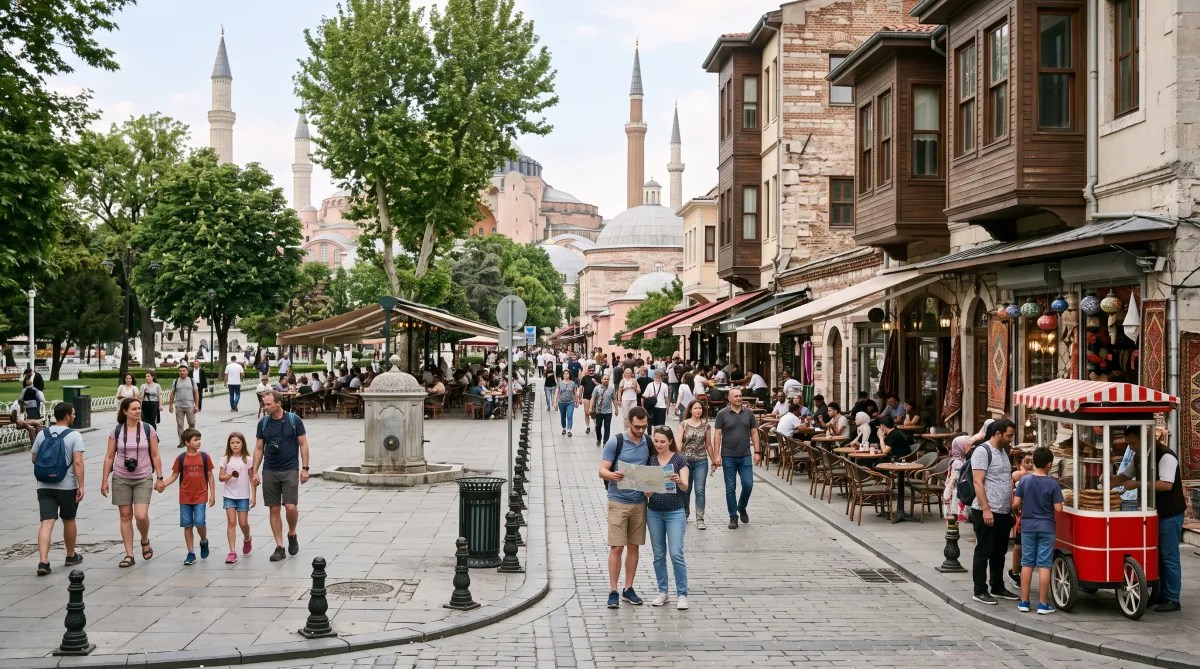
Turkey is generally a safe and welcoming country for tourists, with millions visiting annually. While serious crime against tourists is rare, its wise to practice common sense precautions as you would in any popular travel destination. Stay informed about local conditions, be aware of your surroundings, and respect cultural norms to ensure a pleasant and secure experience. Always check current travel advisories from your home countrys government before departure.

Navigating Turkey is straightforward with its diverse transportation network, ranging from extensive domestic flights connecting major cities to an efficient bus system for intercity travel. Public transport in urban areas includes metros, trams, and dolmuş minibuses, providing convenient and affordable options for exploring. Renting a car offers flexibility for rural exploration, while ferries connect coastal regions and islands. Planning travel in advance is recommended, especially during peak

