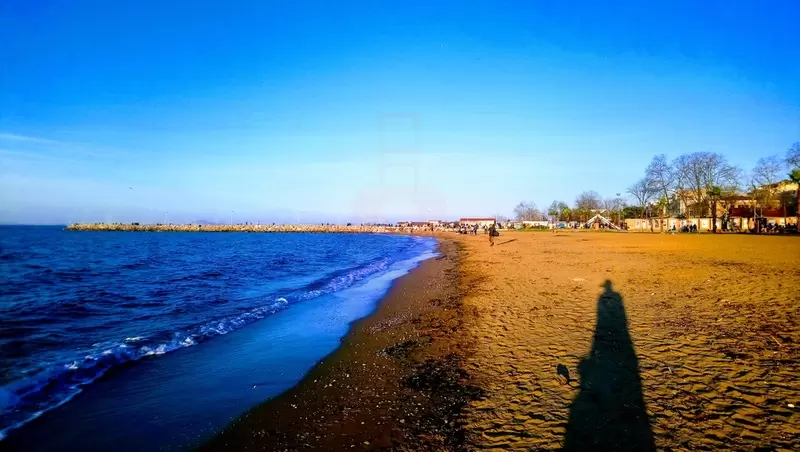
Most Popular 10 Beaches in Beylikdüzü
21-01-2025 00:10
Discover Antalyas rich past through historical site visits. Explore ancient Roman, Byzantine, and Ottoman legacies with expert-guided excursions.
 Kaş
 Antalya
 Antalya
 Antalya
 Kemer
 Kemer
 Manavgat
 Kaş
 Kaş
 Antalya
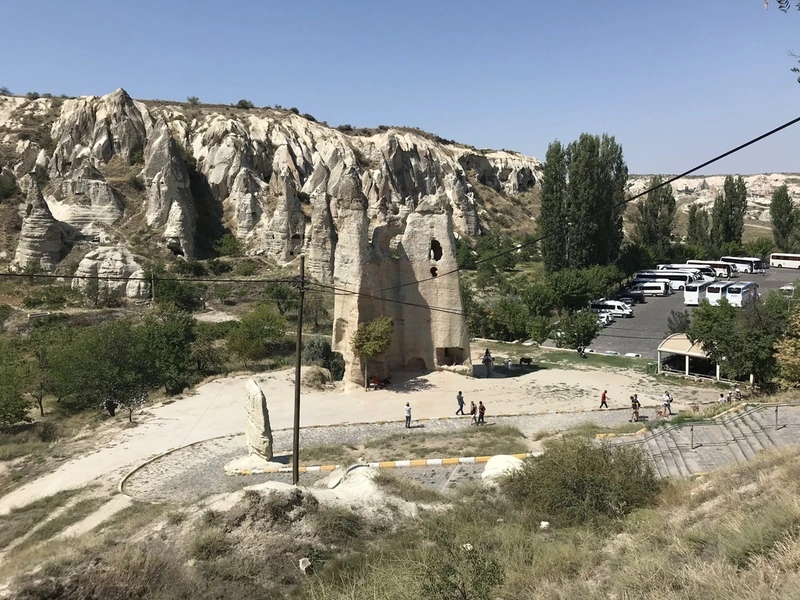
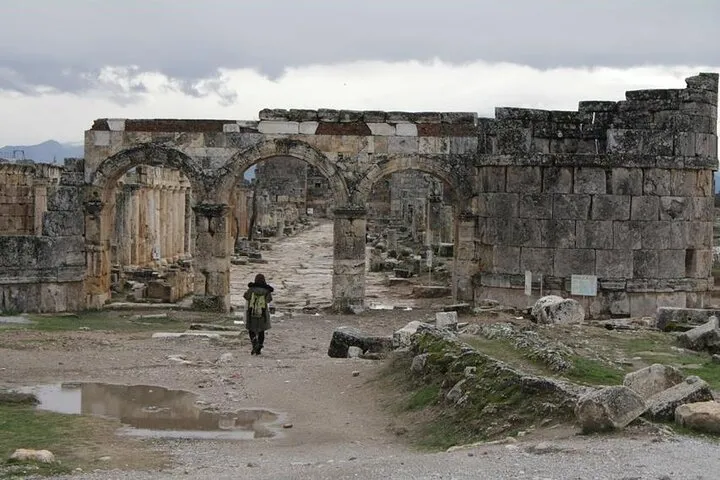
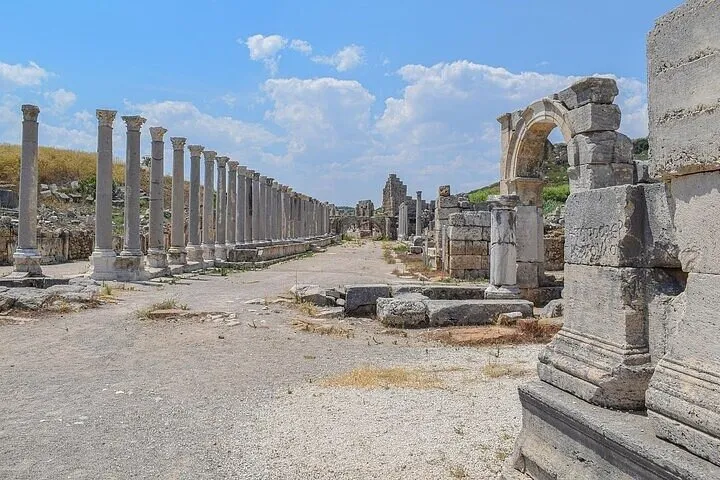
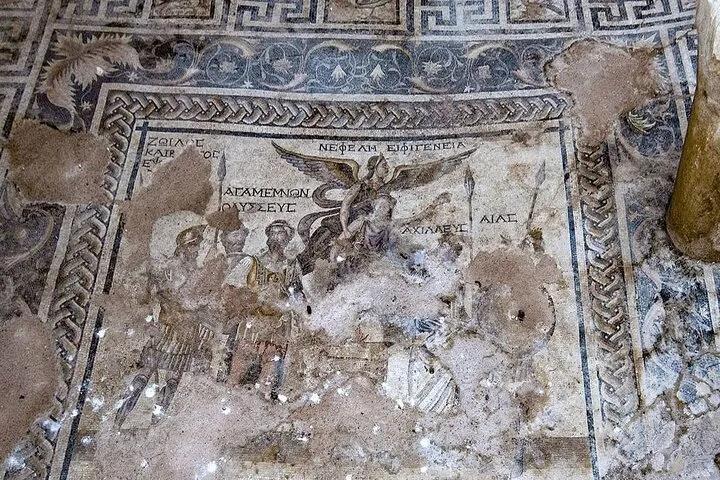
, a jewel of the Turkish Mediterranean, offers an extraordinary journey through millennia of history. Its strategic location has made it a crossroads for numerous civilizations, leaving behind an invaluable legacy of Roman, Byzantine, and Ottoman empires. Visitors here can delve into an ancient past where powerful cities once thrived, explore well-preserved ruins, and walk in the footsteps of emperors and gladiators.
Excursions to Antalya’s historical sites typically involve guided exploration of sprawling ancient cities, magnificent theatres, and intricate temple complexes. Many tours offer insights into the architectural prowess and daily life of past civilizations. Expect a blend of outdoor discovery and historical narration, often including comfortable transportation from Antalya city center to more remote archaeological zones. Comfortable walking shoes and sun protection are highly recommended, especially during warmer months.
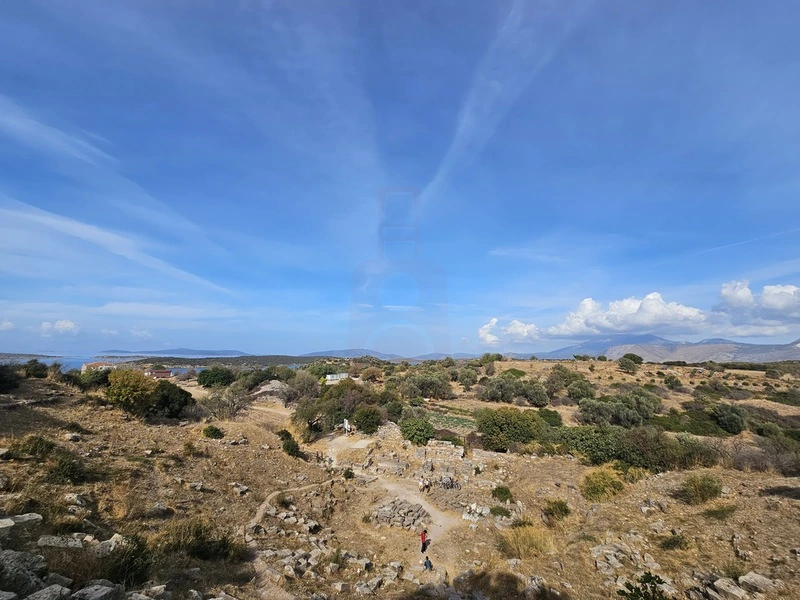
The region is particularly rich in Roman-era sites, showcasing impressive aqueducts, public baths, agoras, and stadiums. Beyond Roman grandeur, traces of Lycian rock-cut tombs and early Byzantine basilicas can also be discovered, along with Ottoman-era mosques and fortifications in some areas, providing a layered historical experience. The atmosphere at these sites is one of serene contemplation and profound discovery, as visitors connect with echoes of civilizations that shaped the world.
The optimal time for historical site visits in Antalya is during the spring (April-May) and autumn (September-October) months. The weather during these periods is pleasantly mild, ideal for extensive outdoor exploration, and crowds are generally less dense than in peak summer. Staying hydrated is crucial, and carrying a small bag with essentials like water, snacks, and a camera will enhance the experience. Some sites may have uneven terrain, so accessibility considerations should be noted by visitors with mobility concerns.

Are you ready to elevate your travel business? By becoming a registered agent with Tourka, you will unlock a world of exclusive opportunities. We provide our partners with competitive pricing, an easy-to-use booking platform, and a wide range of travel products tailored to your clients' needs.
Join Now