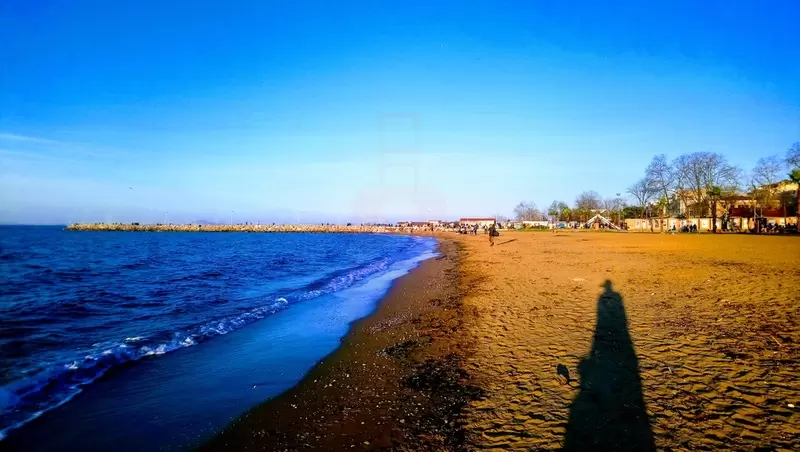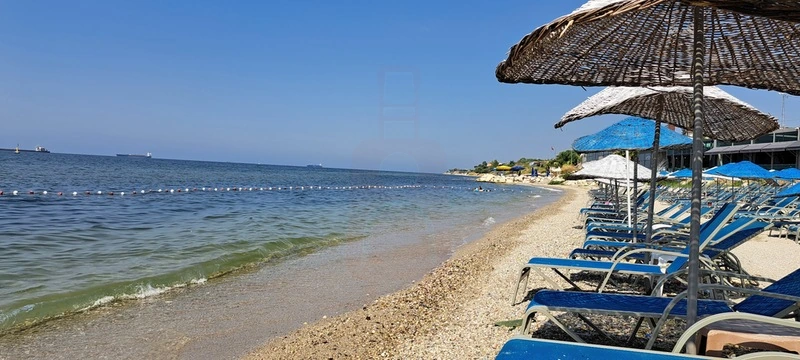
Most Popular 10 Beaches in Beylikdüzü
21-01-2025 00:10
Explore İstanbuls unparalleled historical sites, where Roman, Byzantine, and Ottoman empires left magnificent legacies. Discover a city rich in millennia of pi
 İstanbul
 İstanbul
 İstanbul
 İstanbul
 İstanbul
 İstanbul
 İstanbul
 İstanbul
 İstanbul
 İstanbul
Embark on an extraordinary journey through İstanbul's historical sites, a city where millennia of civilizations converge at the crossroads of Europe and Asia. Each stone here whispers tales of empires that shaped the world, from the grandeur of Roman and Byzantine eras to the opulent reign of the Ottomans. Visitors can expect to traverse a landscape dotted with iconic architectural marvels, ancient ruins, and sacred spaces, offering profound insights into the cultures and events that have defined this magnificent metropolis. From grand imperial palaces and majestic mosques to ancient churches, formidable city walls, and intricate subterranean systems, the layers of history are palpable and deeply immersive.
A typical historical site visit in İstanbul involves exploring breathtaking edifices that showcase incredible craftsmanship and enduring legacies. Imagine standing within a former basilica that became a mosque, witnessing centuries of religious and cultural shifts, or wandering through a sprawling palace complex that served as the administrative and ceremonial heart of an empire for hundreds of years. Beyond these major landmarks, you can discover ancient Roman aqueducts, vast Byzantine cisterns, and elegant Ottoman hammams, all revealing the daily life, technological prowess, and artistic sensibilities of past inhabitants. The atmosphere is one of profound historical depth and cultural richness, inviting contemplation and wonder at the intricate tapestry of human endeavor evident at every turn.
The best time to immerse yourself in İstanbul's historical wonders is during the spring (April to May) or autumn (September to October). These seasons offer pleasant weather conditions, making them ideal for extensive walking tours and outdoor exploration, while generally avoiding the peak summer crowds and intense heat. The city's temperate climate during these months allows for comfortable, extended visits to both indoor and outdoor attractions, enhancing the overall experience.
For a rewarding visit, comfortable footwear is essential, as many sites involve considerable walking and uneven terrain. It is also advisable to dress respectfully when entering religious sites, ensuring shoulders and knees are covered as a sign of cultural sensitivity. To truly appreciate the complex narratives and hidden meanings, consider engaging with local experts for guided experiences; their specialized insights can bring the intricate stories of these historical sites vividly to life, offering a deeper understanding beyond what a guidebook might provide.

Are you ready to elevate your travel business? By becoming a registered agent with Tourka, you will unlock a world of exclusive opportunities. We provide our partners with competitive pricing, an easy-to-use booking platform, and a wide range of travel products tailored to your clients' needs.
Join Now