Most Popular 10 Beaches in Beylikdüzü
21-01-2025 00:10
Discover the rich history of Southeast Anatolia through its impressive collection of ancient castles and fortresses, spanning millennia of civilizations.
Harran Castle, also known as Harran Kalesi, is a historic fortress located in the ancient city of Harran, in southeastern Turkey. This remarkable castle stands as a testament to the region's rich history and offers visitors a unique opportunity to explore its fascinating past. Th…
Şanlıurfa Castle, also known as Urfa Castle or the Castle of Şanlıurfa, is a historic fortress situated in the city of Şanlıurfa in southeastern Turkey. This captivating castle holds a significant place in the region's history and offers visitors a glimpse into the rich cultural…
Rumkale, also known as Roman Castle, stands majestically on a rocky outcrop at the confluence of the Euphrates and Sajur rivers. With its strategic location and commanding views, the fortress has witnessed the rise and fall of numerous civilizations throughout history. The origin…
Zerzevan Castle, also known as Zerzevan Kalesi, is an ancient fortress located in Çınar, a district in the Diyarbakır Province of southeastern Turkey. This historical site holds great significance as it reflects the region's rich history and architectural heritage. Constructed du…
Birecik Castle, also known as Birecik Kalesi, is an ancient fortress located in the town of Birecik in the Şanlıurfa Province of southeastern Turkey. This historical site holds significant cultural and historical value, reflecting the region's rich past. The origins of Birecik Ca…
Gaziantep Castle, also known as Gaziantep Kalesi, is a historic fortress located in the city of Gaziantep in southeastern Turkey. This magnificent castle stands as a symbol of the region's rich history and cultural heritage. The origins of Gaziantep Castle trace back to ancient t…
Southeast Anatolia, a captivating crossroads of civilizations for millennia, offers an unparalleled journey through history for visitors interested in ancient fortifications. The region's strategic importance, bridging Mesopotamia and Anatolia, has resulted in an extraordinary concentration of castles, fortresses, and defensive structures. These monumental testaments to past empires—from Roman and Byzantine to Seljuk, Ayyubid, Mamluk, and Ottoman—dot the rugged and fertile landscape, each narrating compelling tales of conquests, sieges, and enduring cultural exchange. Exploring these formidable sites provides a profound and tangible insight into the layered heritage of this unique part of Turkey, revealing stories etched in stone.
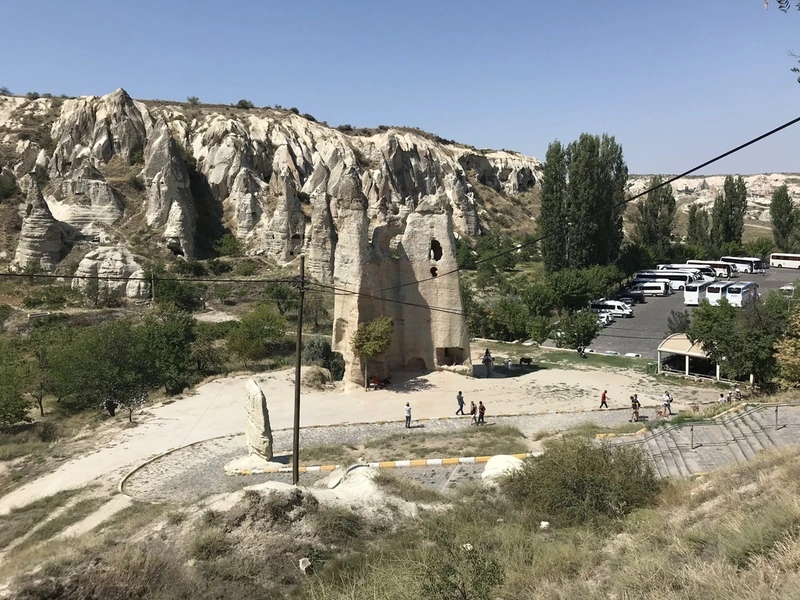
Visitors to the castles of Southeast Anatolia can expect a truly immersive and awe-inspiring experience. Many sites feature remarkably well-preserved ramparts, towering bastions, and expansive inner courtyards, allowing for extensive exploration and contemplation. The atmosphere is often one of serene majesty and profound historical resonance, with panoramic views of fertile plains, dramatic river valleys, rugged mountains, or bustling historic cityscapes stretching into the distance. Walking through these ancient stones, one can almost hear the echoes of past inhabitants and defenders. The architectural styles vary significantly across the region, reflecting the diverse periods of construction and reconstruction, from formidable basalt walls engineered for defense to intricate stone carvings demonstrating artistic prowess, each a unique expression of its builders' ingenuity and purpose.
To fully appreciate these historical treasures, the spring (April-May) and autumn (September-October) months are highly recommended, offering pleasantly mild temperatures ideal for extensive outdoor exploration without the intensity of summer heat. During these seasons, the vibrant landscapes surrounding the castles are often at their most picturesque, enhancing the overall experience. Practical tips for visitors include wearing comfortable, sturdy footwear suitable for uneven terrain and bringing ample water, especially when exploring more remote or extensive sites. While specific visitor facilities can vary, many larger castle complexes are integrated into local communities, providing unique opportunities to experience regional culture and cuisine. It is always advisable to consult local guides or information centers for the most up-to-date accessibility details, opening times, and any specific entry requirements, as some locations may require prior arrangement or have limited access.