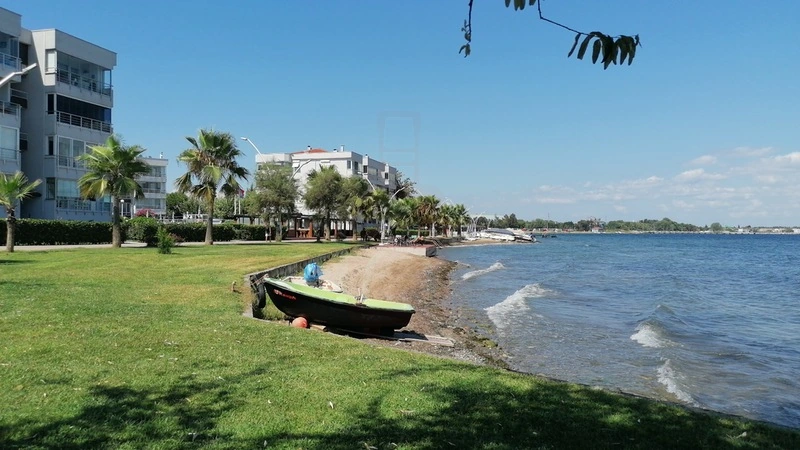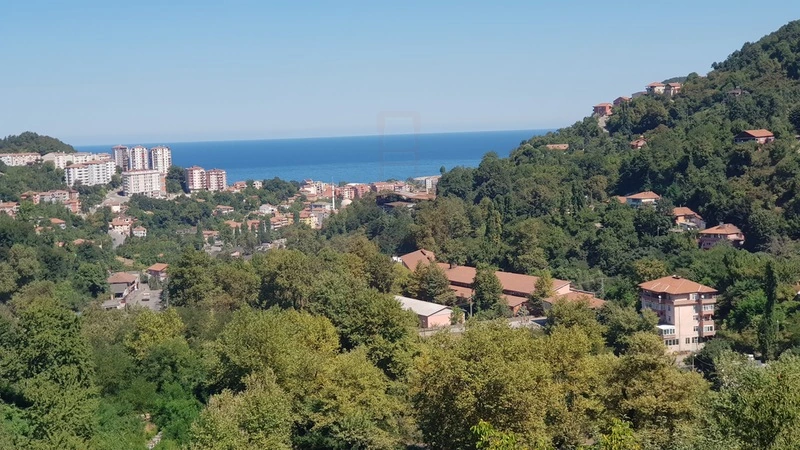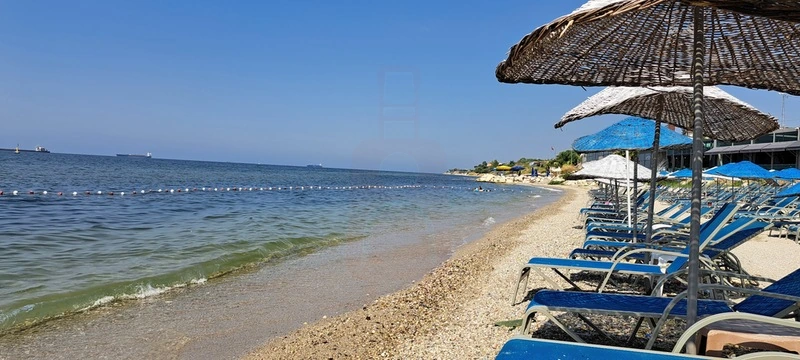
Most Popular 10 Beaches in Beylikdüzü
21-01-2025 00:10
Geographically Indicated Products (GIPs) are unique goods that derive their quality and reputation from specific geographical origins. In Turkey, these products reflect the rich agricultural heritage and diverse local traditions. Notable examples include Turkish olives, famed for their distinct flavors, and the renowned Antep pistachios, prized for their quality. Other GIPs include various cheeses, such as Çamlıhemşin and Ezine, alongside traditional crafts like Turkish carpets. Visitors can explore local markets and artisanal shops to experience authentic tastes and craftsmanship. Sampling these products not only supports local economies but also offers a deeper understanding of the region's culture and culinary heritage.
Geographically Indicated Products in Turkey
Turkey is home to a rich array of Geographically Indicated Products (GIPs) that reflect its diverse regions and cultural heritage. These products are not only celebrated for their unique qualities but also for the traditions behind their production. Exploring these GIPs offers a fascinating journey through Turkey's landscapes and local customs.
Location and Notable GIPs
Turkey's diverse geography contributes to its wide variety of GIPs. Regions such as Aegean, Marmara, and Southeastern Anatolia are particularly known for their specialty products. For instance, the Aegean region is famous for its olive oils, especially from Ayvalık, while Gaziantep is renowned for its pistachios and baklava. The unique terroir of each area imparts distinct flavors and qualities to these products.
Facilities and Local Markets
Visitors can find numerous facilities dedicated to the production and sale of GIPs. Local markets, such as the Grand Bazaar in Istanbul and the local bazaars in Gaziantep, offer a vibrant atmosphere where travelers can sample and purchase authentic products. Many regions also have farms and workshops where tourists can engage in hands-on experiences, such as olive oil tasting or pottery making.
Water Sports Opportunities
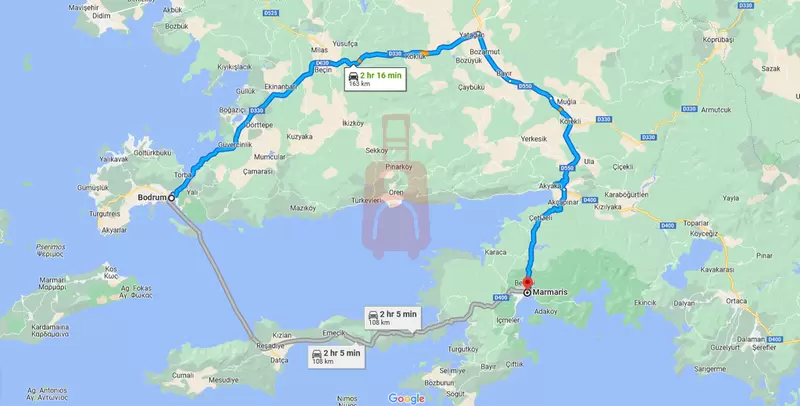
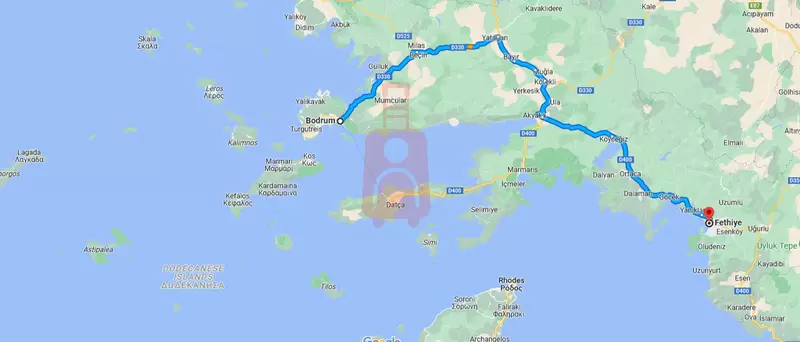
While exploring GIPs, visitors can also enjoy various water sports along Turkey's stunning coastlines. Regions like Bodrum and Fethiye offer activities such as sailing, snorkeling, and diving, providing a perfect blend of culinary exploration and adventure. The clear waters of the Aegean and Mediterranean seas enhance the experience, making it a great way to relax after tasting local delicacies.
Nearby Attractions
Many GIP areas are near significant historical and natural attractions. For example, while in Gaziantep for its pistachios, visitors can explore the ancient city of Zeugma and its stunning mosaics. In the Aegean region, travelers can visit the ancient ruins of Ephesus and enjoy the beautiful beaches of Çeşme. Each location offers a unique backdrop that enriches the experience of discovering local products.
Accessibility
Turkey is well-connected with a network of roads, domestic flights, and public transport, making it easy to access regions known for their GIPs. Major cities like Istanbul, Izmir, and Antalya serve as gateways to various GIP locations, with frequent bus and train services available to reach smaller towns and rural areas.
Best Time to Visit
The best time to explore Turkey's Geographically Indicated Products is during the spring (April to June) and autumn (September to November) months. During these seasons, temperatures range from 15°C to 25°C, providing a pleasant climate for outdoor activities and market visits. Additionally, these periods coincide with harvest times for many local products, allowing visitors to experience the freshness of seasonal offerings.
In summary, Turkey's Geographically Indicated Products offer a rich tapestry of flavors and traditions that reflect the country's diverse heritage. From vibrant local markets to stunning landscapes and exciting water sports, each region provides a unique experience for travelers eager to explore Turkey's culinary treasures.
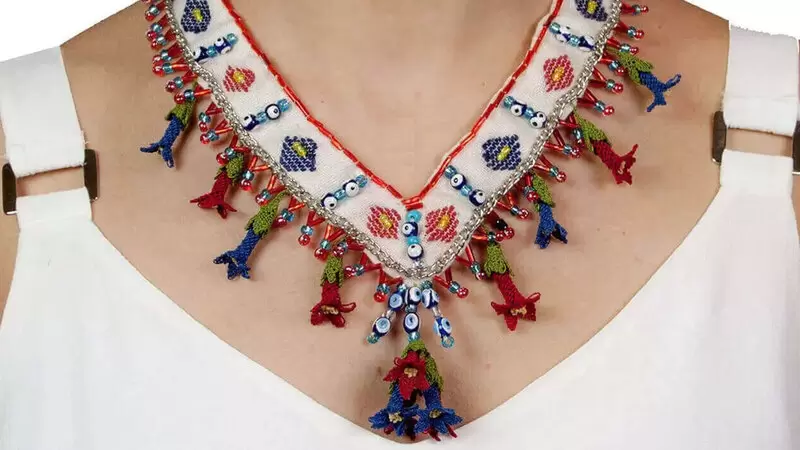
Nallıhan Örtmesi is a traditional handwoven fabric from Nallıhan, Ankara, reflecting the region’s rich cultural heritage. Made from silk, silk-cotton blends, or cotton threads, it features natural dyes and intricate brocade motifs such as ram’s horns and star patterns. The fabric is woven with unique techniques, including the soaping of reverse-twisted threads, and its edges are adorned with colorful patterns and geometric designs. With a width of 85-104 cm and a length of 118-200 cm, it serves as a versatile covering, often used to drape over the upper body. Nallıhan Örtmesi stands out for its artistry, vibrant colors, and dual-sided usability, preserving the traditions of the historic Silk Road.
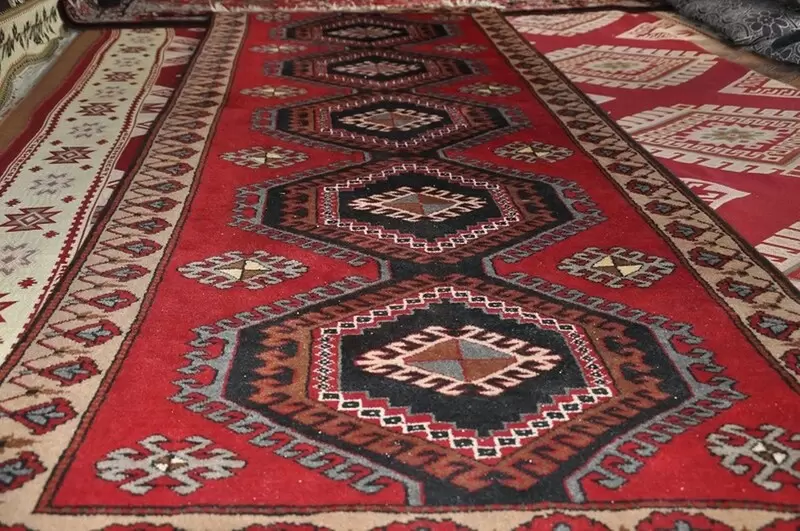
Akçadağ Carpet is a traditional handcrafted textile from Turkey, renowned for its vibrant colors and intricate motifs. Predominantly featuring red as the main color, the carpets also include shades like black, navy blue, yellow, and green, often dyed with natural root-based pigments. The designs are inspired by local flora, fauna, and cultural symbols, including motifs like ram’s horns, tree of life, and geometric patterns. Woven on handlooms, these carpets showcase a unique composition with narrow borders, geometric centers, and stylized details. Akçadağ Carpets embody the region’s cultural heritage and artisanal craftsmanship, making them a valuable and enduring tradition.
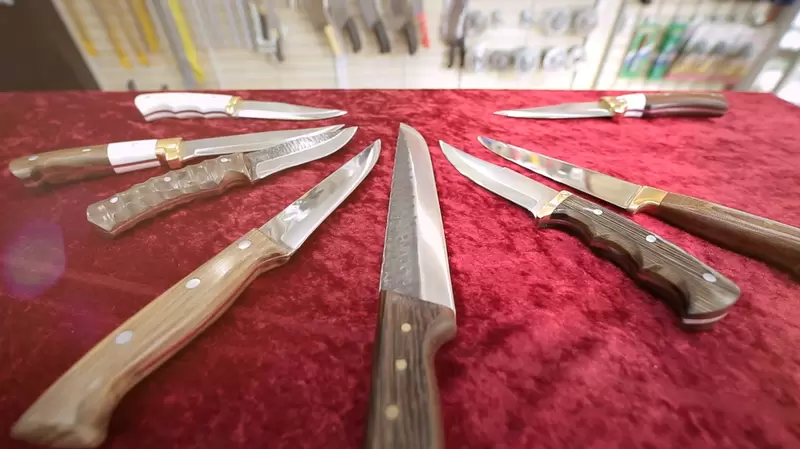
The Bursa Knife, with roots dating back to the Ottoman era, is a renowned handcrafted blade produced in Bursa for over 700 years. Known for its sharpness, flexibility, and durability, it features a meticulously forged steel blade with a distinctive triple V-edge for enhanced cutting precision. The handles, made from premium materials like deer antler, horn, bone, or rare woods such as juniper, add uniqueness and strength to each knife. Traditionally, the steel is treated with chestnut coal, giving the knife its superior quality. Today, Bursa Knives are valued not only for their functionality in the kitchen and outdoors but also as symbols of artisanal heritage and craftsmanship.
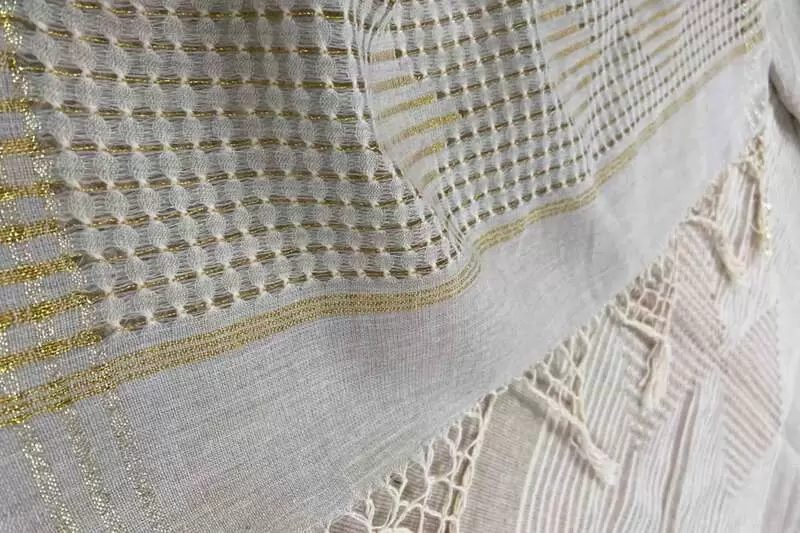
Rize Cloth, also known as Feretiko Hand Woven, is a traditional textile crafted from hemp fibers grown in the Rize region of Turkey. Renowned for its durability, elasticity, and resistance to decay, the cloth is made using hemp threads that are naturally soft and fine due to Rize’s humid and rainy climate. The production process includes harvesting male hemp plants, preparing the fibers, and weaving them into fabric with unique strength and flexibility. Historically used for various purposes, Rize Cloth embodies the artisanal heritage and ecological harmony of the region. Its timeless quality and connection to Rize’s culture make it a significant symbol of traditional Turkish craftsmanship.
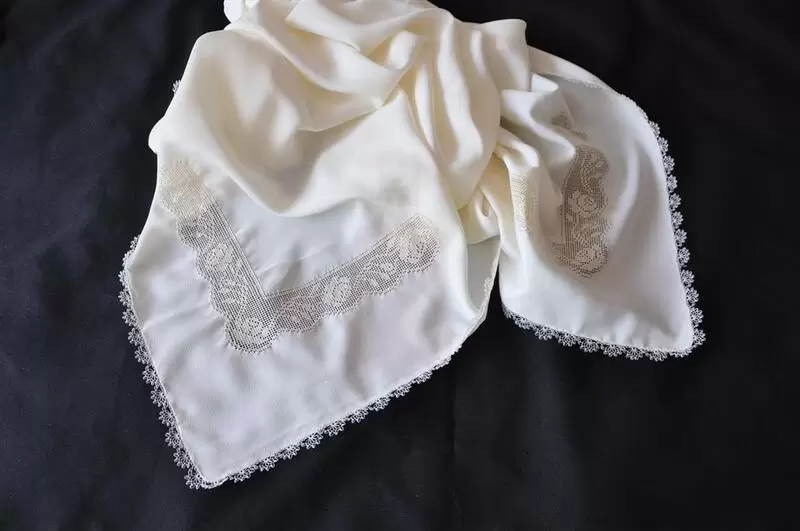
Maraş File Embroidery is a traditional Turkish handicraft originating from Kahramanmaraş, reflecting the region's cultural heritage. It is a unique embroidery technique where fabric threads are delicately removed and the remaining material is intricately stitched, creating a design that looks identical on both sides. Typically, fine silk fabrics like Mongol or Demor are used, known for their smooth texture and durability. The threads for embroidery are made of shiny, strong, pure silk, and the patterns often feature stylized flowers, leaves, and geometric motifs inspired by nature. The process is entirely handmade, requiring meticulous craftsmanship passed down through generations. Maraş File Embroidery is celebrated for its elegance, precision, and cultural significance.
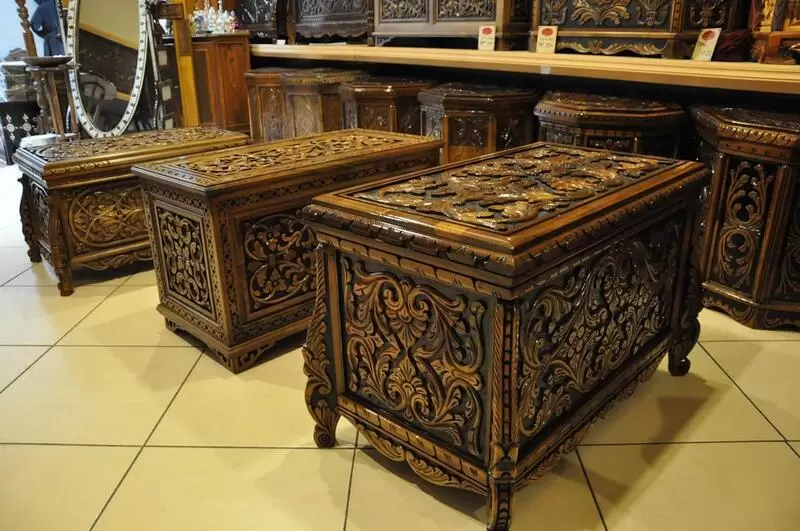
Kahramanmaraş Carved Dowry Chest is a traditional product reflecting the deep-rooted cultural heritage of Turkey. Made from walnut wood, these chests are distinguished by their hand-carved designs and meticulous craftsmanship. The walnut wood is carefully dried to prevent warping, then cut and shaped according to the desired model. The carvings are done entirely by hand using specialized tools, ensuring each chest is unique. No paints, colorful decorations, or artificial embellishments are used, preserving the natural brown hue of the wood through protective finishes. Historically, dovetail joints were used until the 1980s, after which machine assembly became common. The chests are crafted to be durable, functional, and visually striking, embodying the artistry and traditions of Kahramanmaraş.
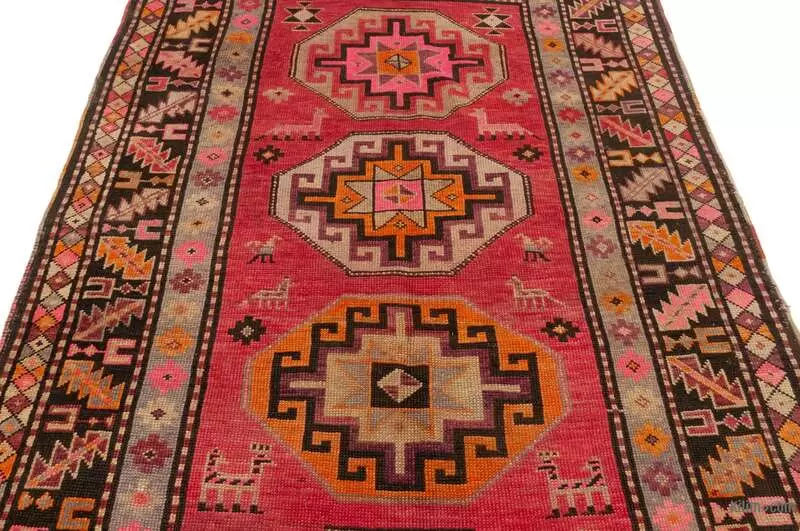
Kars Hand-made Carpet is a remarkable reflection of traditional craftsmanship, featuring intricate madalyon designs enriched with stylized botanical, bird, and geometric motifs. Crafted using a vibrant palette of reds, blues, greens, whites, yellows, and natural tones, these carpets showcase the cultural heritage of the Kars region. Made entirely by hand, they are woven with durable, high-quality wool, combining aesthetic appeal with functionality. Known for their detailed patterns, including motifs like hooks, ram's horns, and arrows, these carpets are both artistic expressions and durable additions to homes. Rooted in the cultural fabric of Kars, these carpets embody the region’s deep connection to artisanal excellence.
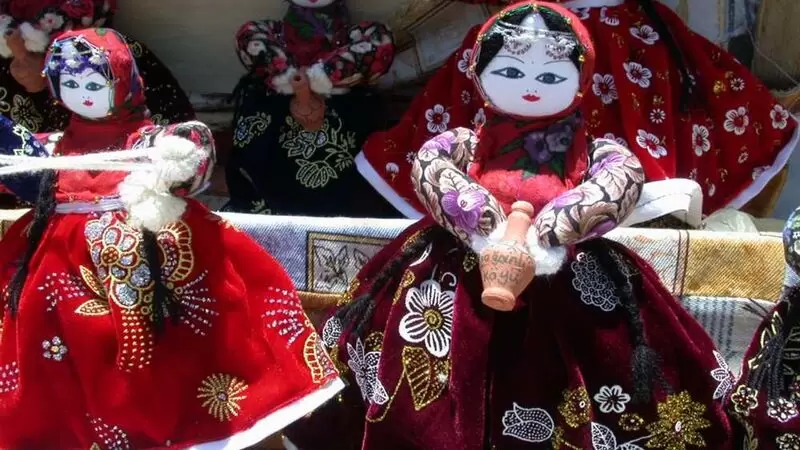
Soğanlı Rag Dolls are handcrafted figures reflecting the traditional attire of women from Soğanlı Village. Each doll is made using a wooden or metal frame wrapped in fabric and adorned with colorful local textiles like pazen, basma, and tülbent. Their intricate designs feature traditional outfits such as şalvar, işlik, and gelinlik, complete with accessories like miniature water pitchers and hand-spun yarns. The dolls are further detailed with hand-drawn facial features and vibrant embellishments. These iconic dolls celebrate the cultural heritage and craftsmanship of Soğanlı, preserving its unique traditions through an endearing and artistic representation.