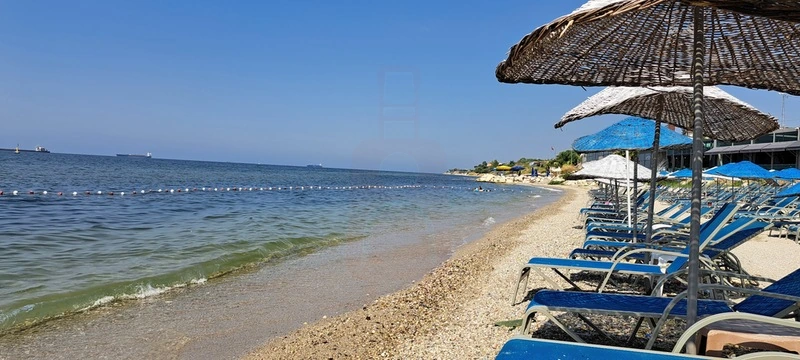
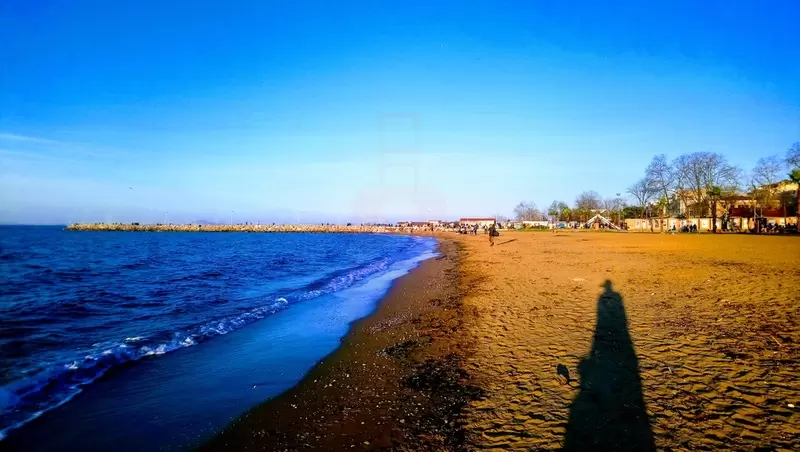
Most Popular 10 Beaches in Beylikdüzü
21-01-2025 00:10
The Marmara region, a vibrant crossroads of cultures and history in Turkey, presents a fascinating culinary landscape through its diverse array of restaurants. Dining here offers more than just sustenance; it is an immersion into a gastronomic tradition shaped by centuries of influences, from Ottoman court cuisine to Anatolian village dishes. Visitors can anticipate a journey through authentic Turkish flavors, reflecting the region's unique geographical position and historical narrative, where European and Asian culinary currents converge to create something truly distinctive.
From bustling eateries popular with locals to more refined establishments, Marmara’s dining scene caters to varied preferences, ensuring there is something for every taste and occasion. Traditional lokantas and family-run venues often highlight regional specialties, featuring generous selections of mezzes – small plates perfect for sharing – alongside succulent grilled meats, fresh seafood harvested from nearby coasts, and hearty slow-cooked stews. The region's fertile lands also contribute a bounty of fresh vegetables and fruits, used ingeniously in both classic and contemporary dishes. Expect an unwavering emphasis on seasonal, locally sourced ingredients that define the freshness and authenticity of Turkish cooking.
Dining in Marmara is inherently a social experience, characterized by warm hospitality and a lively atmosphere. Many restaurants provide inviting settings, whether a charming garden courtyard, a waterfront terrace offering scenic views, or a cozy interior reflecting local architectural styles and design. The pace of a meal often encourages lingering and conversation, making it an integral part of experiencing the local culture. Exploring different dining venues reveals subtle regional nuances in preparation and presentation, from the Aegean-influenced coastal towns to the historically rich inland cities, adding depth to the culinary adventure.
For those looking to explore Marmara’s food scene, evenings are generally the most dynamic time to dine, when establishments are abuzz with patrons enjoying their meals. Reservations can be advisable for more popular venues, especially on weekends or during peak tourist seasons. It's common to see menus featuring a comprehensive range of options, from traditional main courses and inventive modern interpretations to lighter fare and delectable desserts. Engaging with the local dining customs, such as sharing dishes, savoring strong Turkish tea or coffee post-meal, and enjoying traditional sweets, truly enriches the overall experience and provides a deeper connection to the region's hospitality.

