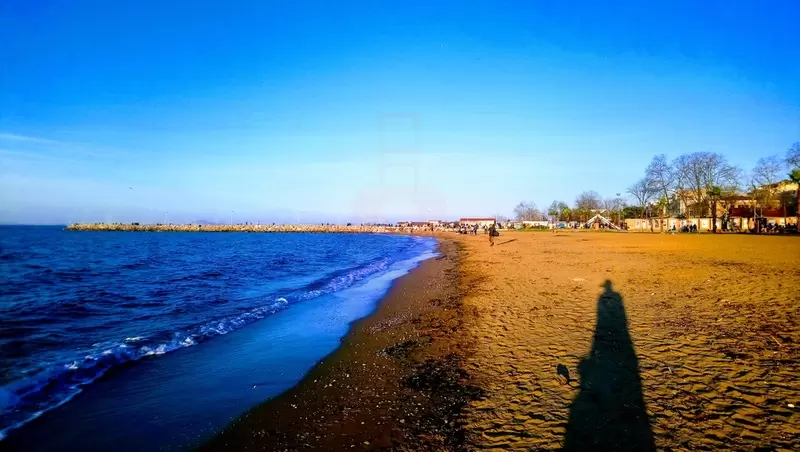
Most Popular 10 Beaches in Beylikdüzü
21-01-2025 00:10
187 Places
Sumela Monastery (Turkish: Sümela Manastırı) is a Greek Orthodox monastery located in the Pontic Mountains, in the province of Trabzon, Turkey. The monastery is built on a steep rock face overlooking the Altındere River, and is one of the most popular tourist destinations in Turk…
Hagia Sophia (Holy Wisdom) is a former Orthodox cathedral, later an imperial mosque, and now a museum in Istanbul, Turkey. It was originally constructed as a church in the 6th century by the Eastern Roman Emperor Justinian I (r. 527–565) and was the largest church in the world fo…
Topkapı Palace (Turkish: Topkapı Sarayı) is a palace in Istanbul, Turkey. It was the primary residence of the Ottoman sultans from the 15th to the 19th centuries. The palace is located on the eastern tip of the peninsula of Sarayburnu, overlooking the Bosphorus and the Golden Hor…
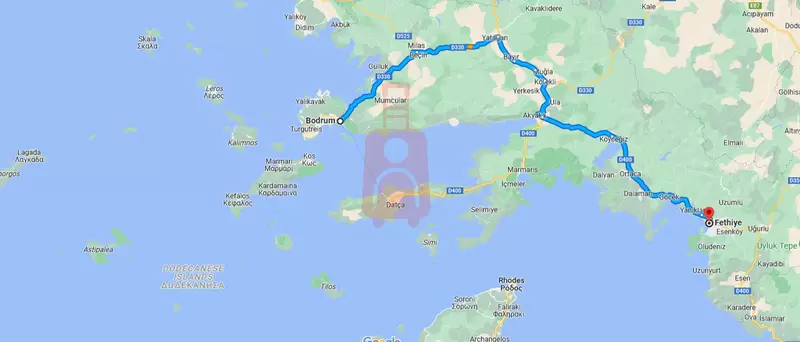
Modern Fethiye is located on the site of the Ancient Greek city of Telmessos, with the Tomb of Amyntas located in the south side of the city in the mountainside, in the base of the mountain. The impressive looking tomb was built in 350 BC, and was named after the Greek inscriptio…
The Adana Archaeological Museum is a museum in Adana, Turkey. It was founded in 1924, and is one of the oldest museums in Turkey. The museum has a collection of over 10,000 artifacts from the Neolithic Age to the Ottoman Empire. The museum is divided into three sections: the preh…
Karaman Museum (Turkish: Karaman Müzesi) is a museum in Karaman, Turkey. It was founded in 1978, and is located in the city center. The museum's collection includes over 2,000 objects, including sculptures, mosaics, inscriptions, and pottery. The collection focuses on the history…
The Adana Cinema Museum (Turkish: Adana Sinema Müzesi) is a museum in Adana, Turkey. It was founded in 2008, and is the first cinema museum in Turkey. The museum is located in the Seyhan district of Adana. The museum has a collection of over 2,000 objects related to the history o…
The Adana Ethnography Museum (Turkish: Adana Etnografya Müzesi) is a museum in Adana, Turkey. It was founded in 1980, and is located in the central district of Adana. The museum has a collection of over 6,000 objects related to the culture and history of Adana. The museum is divi…
Boğatepe Cheese Museum (Turkish: Boğatepe Peynir Müzesi) is a cheese museum in Boğatepe, Turkey. It was founded in 2014, and is located in a traditional stone house. The museum's collection includes over 1,000 objects, including cheese molds, churns, and other tools used in chees…
Kars Museum (Turkish: Kars Müzesi) is a museum in Kars, Turkey, that houses a collection of artifacts from the region. The museum was founded in 1921, and is located in the former governor's palace. The museum's collection includes over 30,000 objects, including sculptures, mosai…
Turkey boasts a remarkable array of museums, each telling a distinct part of its layered history. Strategically located between East and West, the land has been home to countless civilizations, leaving behind an invaluable legacy. Museums here serve as vital custodians of this heritage, encompassing relics from Hittite, Urartian, Greek, Roman, Byzantine, Seljuk, and Ottoman periods. The breadth extends from grand national museums to specialized smaller collections dedicated to specific eras, local crafts, or individual figures. This ensures a captivating experience for history enthusiasts and casual visitors alike.
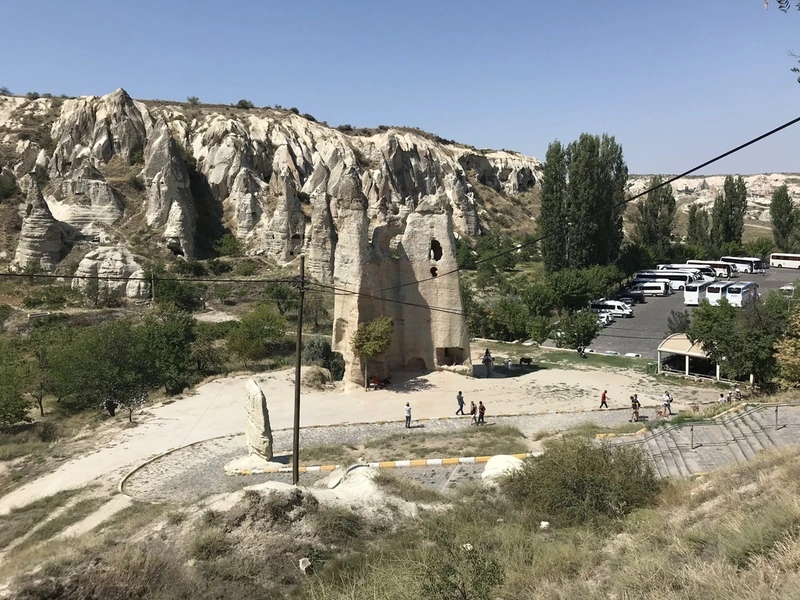
Turkish museums generally offer well-curated exhibits with informational panels in Turkish and English. Many larger museums provide audio guides for a more in-depth experience. Expect to spend several hours in major institutions like the Topkapi Palace or the Museum of Anatolian Civilizations to fully appreciate their collections. It's advisable to check official museum websites for current information on accessibility, facilities, and any temporary closures or special exhibitions. Comfortable footwear is recommended, especially for extensive archaeological museum complexes or sites like Göreme.
Museums in Turkey can be visited year-round. However, spring (April-May) and autumn (September-October) offer the most pleasant weather for combining indoor museum visits with outdoor exploration of historical sites. During the peak summer months (June-August), museums provide a welcome escape from the heat. Winter visits (November-March) can also be rewarding, with fewer crowds, allowing for a more serene experience, particularly in major cities.