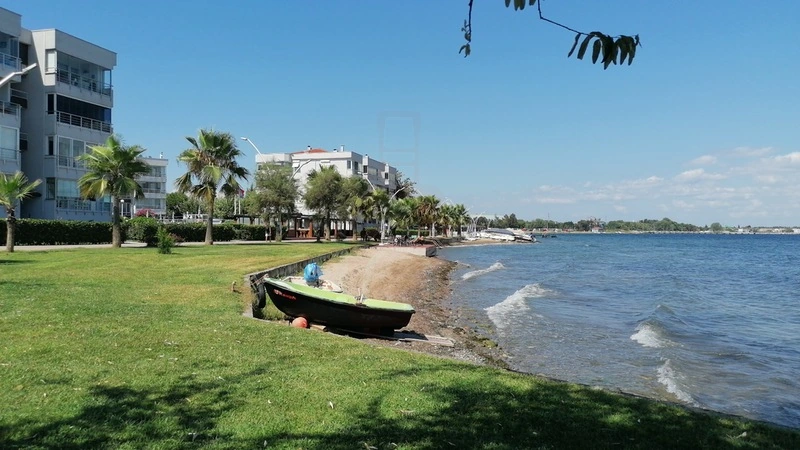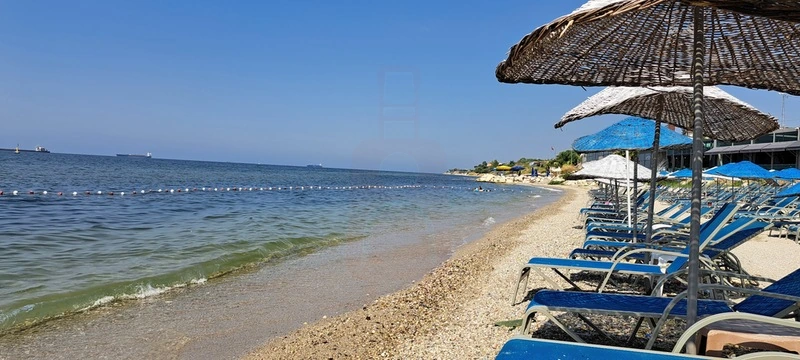
Most Popular 10 Beaches in Beylikdüzü
21-01-2025 00:10

Türkiye's unmatched blend of geological dynamism and deep historical layering makes it a world-class destination for Field Trips. These trips—often undertaken by universities, specialized institutions (like the Chamber of Geological Engineers), and high schools—transcend conventional classroom learning. A field trip here offers an immersive, hands-on study of geology, archaeology, civil engineering, and urban planning across thousands of years, providing tangible context that is unavailable in standard academic settings.
As your professional guide, I confirm that Türkiye provides distinct, specialized field environments suitable for multiple disciplines, from examining volcanic formations and active fault zones to analyzing Roman hydraulic systems and Neolithic architecture. This detailed guide highlights the key regions for practical study, the learning objectives for each, and the necessary logistical considerations for large academic groups.
Türkiye sits on a seismically active zone, making its central and eastern regions a prime laboratory for studying volcanism, tectonics, and geomaterials.
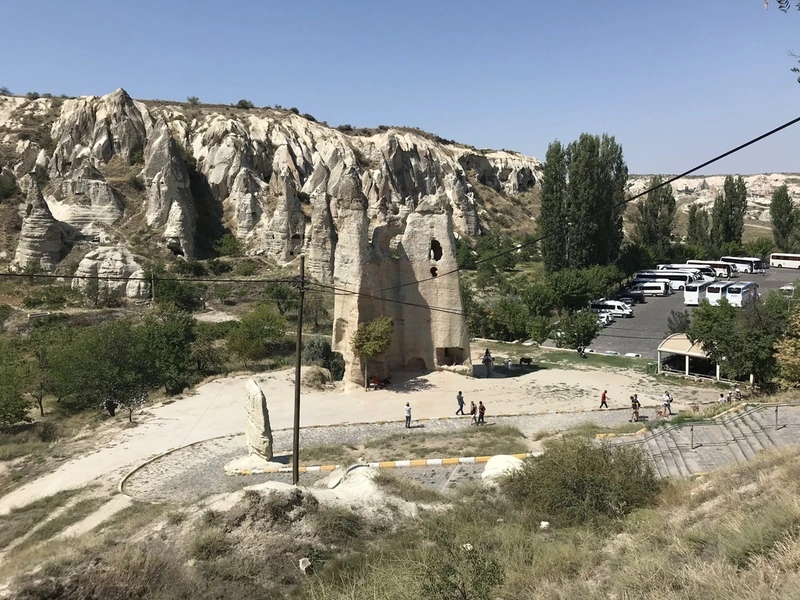
Kapadokya is the essential destination for geology and geomorphology students. This UNESCO Mixed Heritage Site is a former volcanic plateau carved by erosion over millions of years.
Areas around Ankara, Kırıkkale, and Sivas offer exposure to structural geology:
Türkiye’s classical sites are indispensable for engineering, architecture, and archaeology students, offering massive examples of ancient public works and urban design.
The coast provides the best-preserved examples of classical urban infrastructure:
The Antalya region offers a concentrated study of monumental civil works:
Beyond the classical circuit, Türkiye offers sites critical for specialized cultural studies, art history, and social sciences.
The Southeast is essential for anthropology and early civilization studies:
Istanbul and the surrounding areas offer studies in imperial administration and traditional crafts:
Effective management of academic field trips requires adherence to specific protocols, often managed by authorized agencies partnered with universities (like those recognized by the Ministry of Culture and Tourism).
A Field Trip to Türkiye is a high-value educational investment, transforming abstract academic concepts into tangible, unforgettable real-world lessons.

Rising majestically above the plains of central Anatolia lies Erciyes Mountain, located just north of Kayseri…
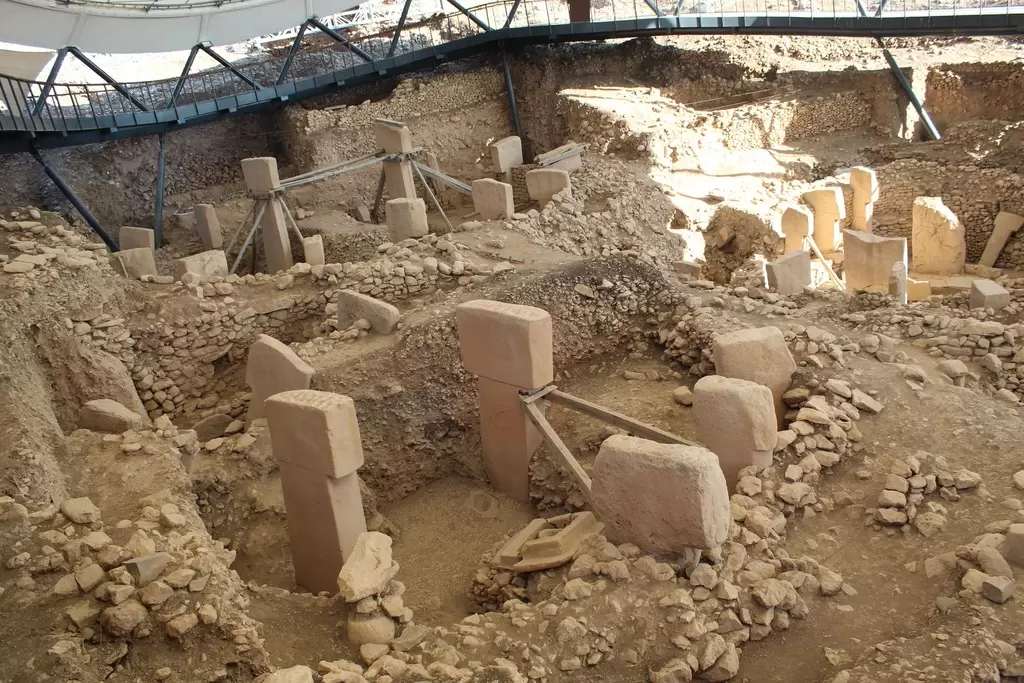
Welcome to Göbeklitepe Ancient City! Located in southeastern Turkey, near the city of Şanlıurfa, Göbeklitepe i…

Zeugma Mosaic Museum (Turkish: Zeugma Mozaik Müzesi) is a museum in Gaziantep, Turkey, dedicated to the mosaic…
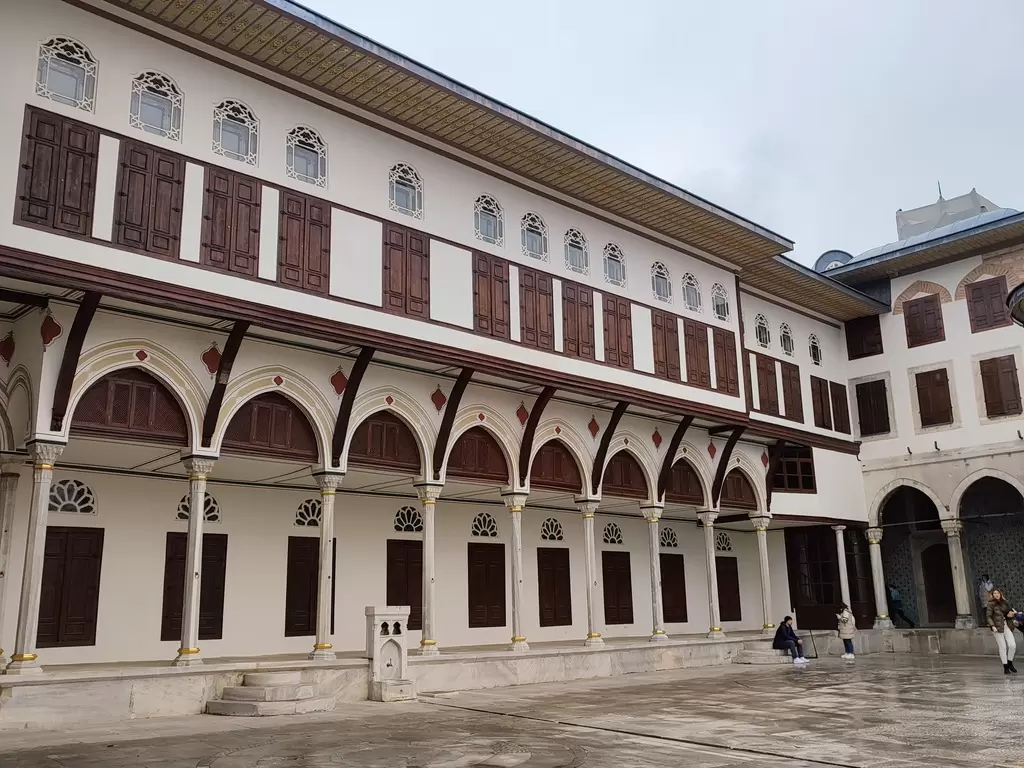
Topkapı Palace (Turkish: Topkapı Sarayı) is a palace in Istanbul, Turkey. It was the primary residence of the…

Welcome to Lake İznik, a captivating destination nestled in the northwestern part of Turkey. Also known as Lak…
We'll check with our local operators to finalize the best plan and price for you, guaranteed within 24 hours.