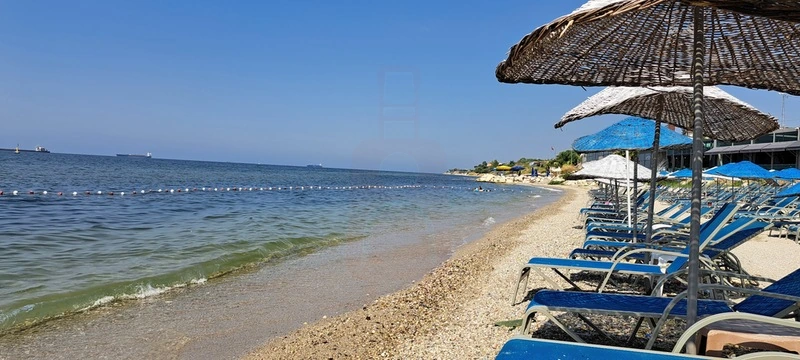
Most Popular 10 Beaches in Beylikdüzü
21-01-2025 00:10
Turkey's cultural landscape is magnificently shaped by its long-standing festivals and deeply ingrained traditions, offering a captivating journey into the soul of the nation. These events, spanning from ancient rites to contemporary celebrations, provide invaluable opportunities for travelers to connect with local life and heritage.
Major religious holidays are central to Turkish life, guided by the Islamic lunar calendar. Ramazan Bayramı (Eid al-Fitr, or "Sugar Feast") marks the end of Ramadan, a period of fasting, and is celebrated with family visits, feasts, and gift-giving. Kurban Bayramı (Eid al-Adha, or "Sacrifice Feast") is another significant occasion, emphasizing sacrifice, charity, and communal gatherings. While exact dates vary annually, these holidays often mean temporary closures for some businesses and increased domestic travel. Travelers should also be aware of Ashure Day, observed during Muharram, where communities share a special sweet pudding symbolizing Noah's Ark.
Beyond religious events, the spring equinox brings Nevruz, particularly celebrated in Eastern and Southeastern Anatolia, signifying new beginnings and ancient traditions like jumping over bonfires.
Turkey observes several national holidays that reflect its modern history and foundational values. Republic Day (Cumhuriyet Bayramı) on October 29th is a prominent celebration across the country, featuring parades, concerts, and fireworks commemorating the founding of the Turkish Republic. Other significant dates include Commemoration of Atatürk, Youth and Sports Day (May 19th) and Victory Day (August 30th), both observed with patriotic ceremonies and public events.
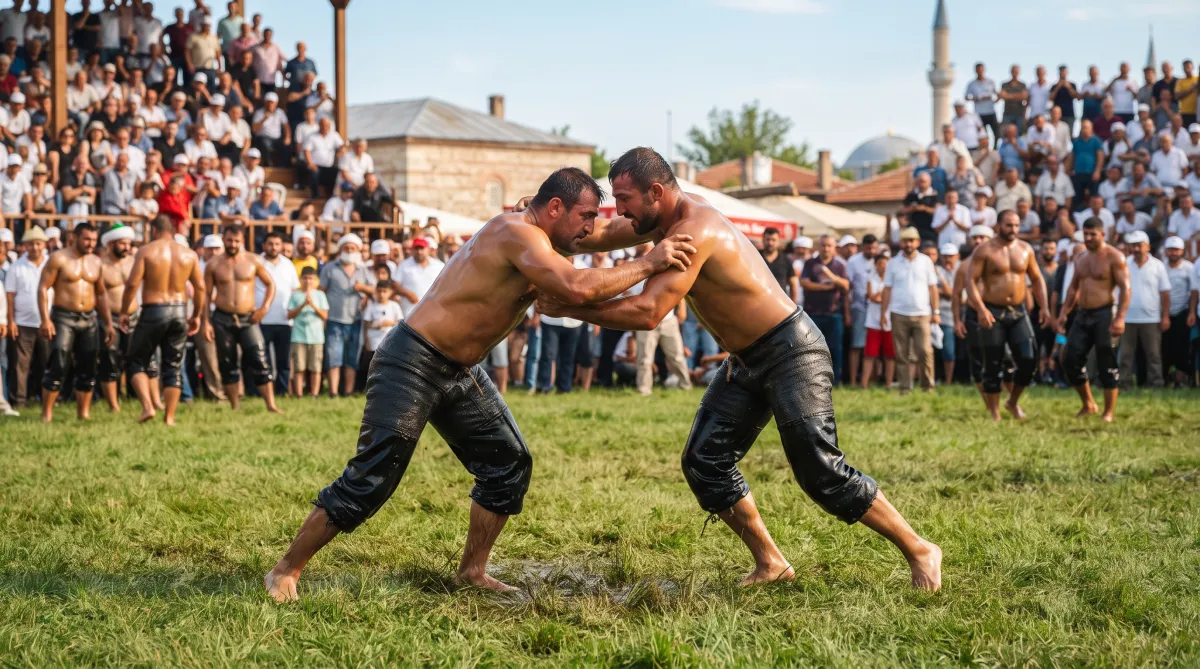
Throughout the year, Turkey hosts a vibrant array of cultural and arts festivals. Major cities like Istanbul and Izmir are home to internationally recognized events such as the International Istanbul Film Festival and the Istanbul Jazz Festival, attracting global talent and audiences. Traditional folk culture is showcased through events like the historical Kırkpınar Oil Wrestling Festival in Edirne, an age-old sporting tradition, and the unique Camel Wrestling Festival held in the Aegean region around Selçuk in winter.
A profound spiritual experience awaits at the annual Mevlana Whirling Dervishes Festival in Konya each December, commemorating Rumi's passing and featuring mesmerizing Sema ceremonies. Many smaller towns and villages also host agricultural harvest festivals, grape festivals, and local folk dance performances, providing a glimpse into regional customs.
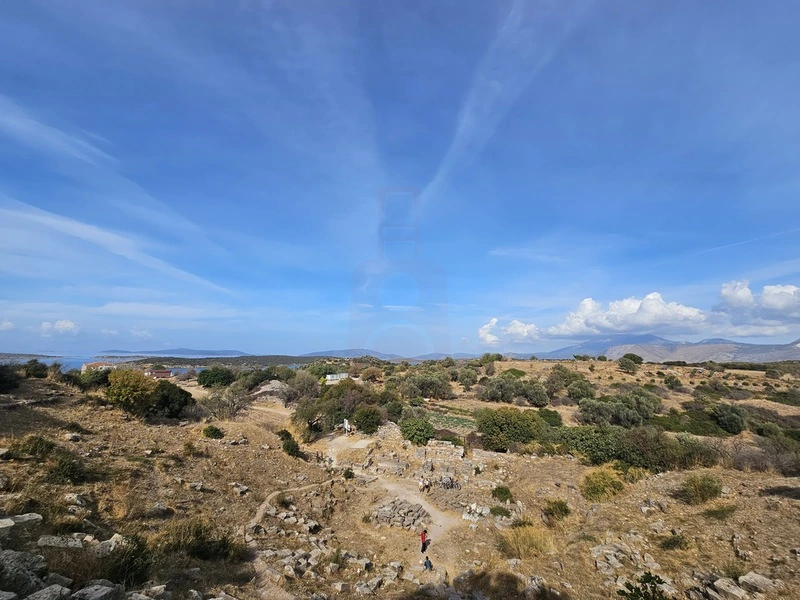
Inspired? Dive deeper into related historical sites, cities, and travel tips.
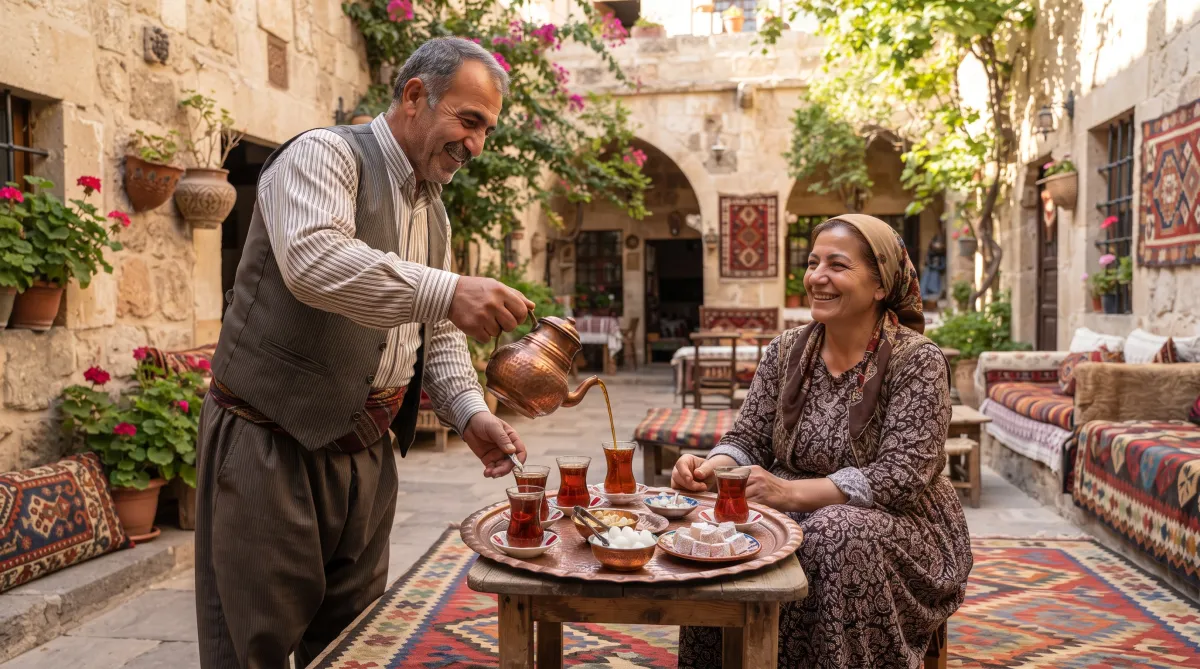
Understanding local customs and etiquette in Turkey enhances the travel experience. Turkish culture values hospitality, respect, and tradition. Visitors will find that a little awareness of local practices, from greeting rituals to dining habits and appropriate attire, can significantly improve interactions and foster positive connections with locals. This guide provides essential insights into navigating social situations respectfully.
Turkey boasts a of festivals and traditions, reflecting its diverse history and cultural heritage. From ancient rituals and religious celebrations to vibrant modern arts and music events, these observances offer visitors a profound insight into the heart of Turkish society. Engaging with local festivities provides an an authentic experience, showcasing the countrys hospitality, artistic expression, and deep-rooted customs throughout the year.

