
Most Popular 10 Beaches in Beylikdüzü
21-01-2025 00:10
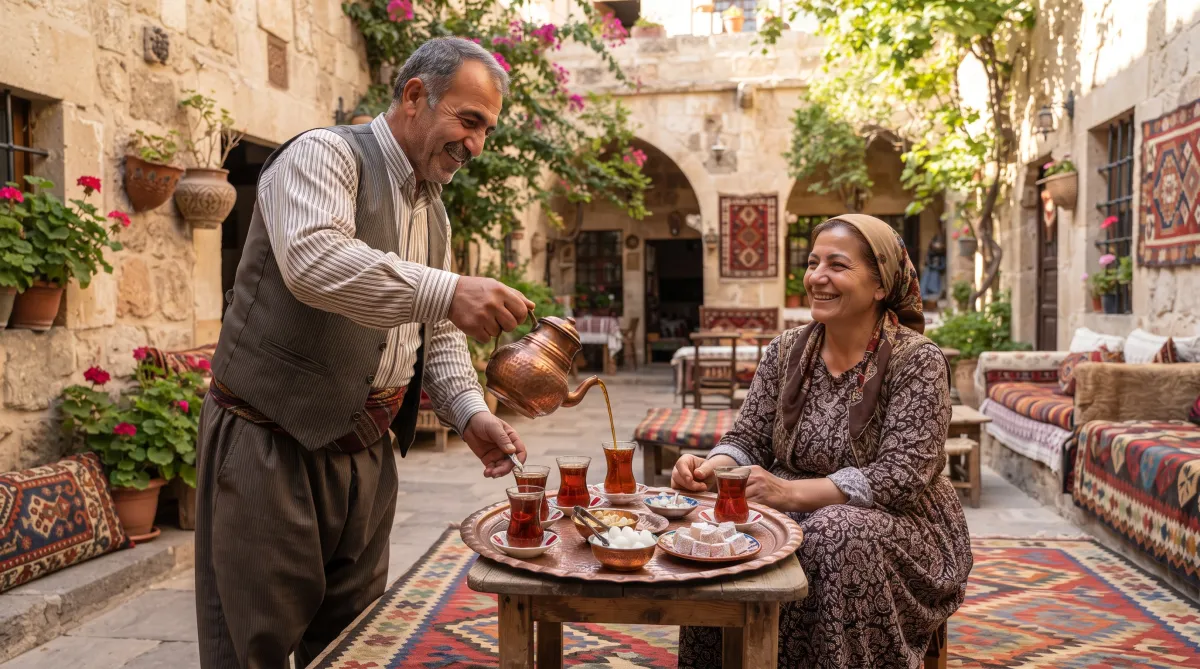
In Turkey, greetings are typically warm and respectful. Handshakes are common, especially between men. When greeting women, it is best to wait for them to offer a hand first, or a polite nod may suffice. Close friends and family often exchange kisses on both cheeks. Addressing elders and those in positions of authority with respect is important. Using titles like "Bey" (for men) and "Hanım" (for women) after their first name is a sign of courtesy, though not always expected from tourists.
Turkish hospitality is legendary. If invited to a Turkish home, it is customary to bring a small gift, such as sweets, flowers, or a token from your home country. Removing your shoes before entering is a common practice, so observe what others do. Guests are usually offered tea or coffee and often a meal; refusing can be seen as impolite, though you don't need to overeat. Compliments on the food are always appreciated.
Meals are significant social events. It is common to eat communally, often from shared plates, especially in more traditional settings. Always use your right hand when eating, particularly if handling food directly, as the left hand is traditionally considered unclean. Wait for the host to indicate when to start eating. It is polite to finish everything on your plate, but leaving a small amount if you are truly full is acceptable. Tipping is customary in restaurants; around 5-10% is typical for good service.
While Turkey is a secular country, modesty in dress is appreciated, particularly outside of major tourist resorts and in more conservative areas. When visiting mosques or other religious sites, both men and women should dress modestly, covering shoulders and knees. Women will also need to cover their heads; scarves are often available at mosque entrances. Removing shoes is mandatory before entering a mosque. Silence and respectful behavior are expected.
Public displays of affection are generally frowned upon, especially outside of urban and tourist areas. Pointing with your index finger can be considered rude; it's better to use an open hand. Waving hello or goodbye is common. Be mindful of personal space, especially in crowded places. Bargaining is expected in bazaars and local markets but not in fixed-price shops or restaurants.



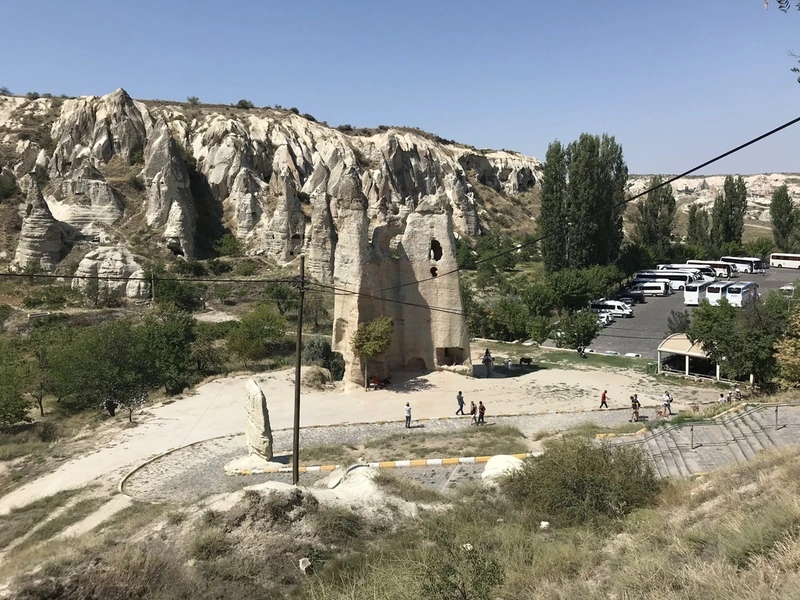



Inspired? Dive deeper into related historical sites, cities, and travel tips.
Understanding local customs and etiquette in Turkey enhances the travel experience. Turkish culture values hospitality, respect, and tradition. Visitors will find that a little awareness of local practices, from greeting rituals to dining habits and appropriate attire, can significantly improve interactions and foster positive connections with locals. This guide provides essential insights into navigating social situations respectfully.
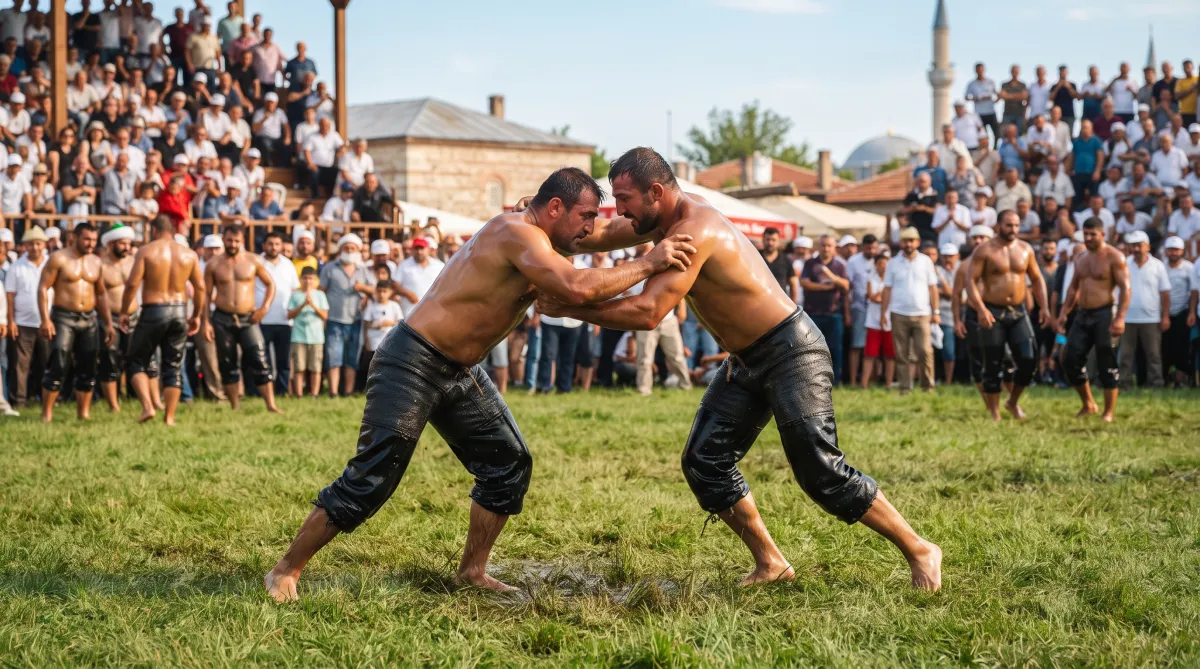
Turkey boasts a of festivals and traditions, reflecting its diverse history and cultural heritage. From ancient rituals and religious celebrations to vibrant modern arts and music events, these observances offer visitors a profound insight into the heart of Turkish society. Engaging with local festivities provides an an authentic experience, showcasing the countrys hospitality, artistic expression, and deep-rooted customs throughout the year.

