

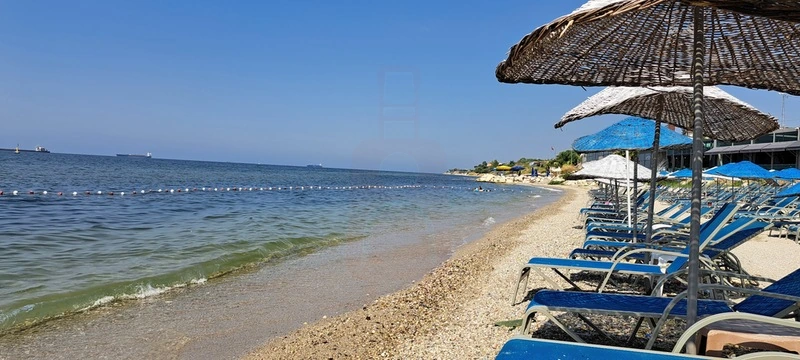
Most Popular 10 Beaches in Beylikdüzü
21-01-2025 00:10

Türkiye has meticulously preserved a network of centuries-old footpaths, trade corridors, and military roads, transforming ancient history into challenging and rewarding modern-day Historic Route Trips. These paths—often marked according to the French Grande Randonnée system—allow hikers, cyclists, and history enthusiasts to follow the literal footsteps of Lycian merchants, Phrygian priests, and Roman legionaries. A trip along these ancient routes is the most intimate way to engage with Türkiye’s profound cultural and geological heritage, often leading to remote sites inaccessible by car.
As your professional tourist guide, I confirm that these long-distance routes require physical preparation, but they are incredibly safe and well-supported by local guesthouses (pansiyonlar) and communities. This detailed guide explores the essential routes, their historical context, and the logistical challenges of conquering the paths of antiquity.
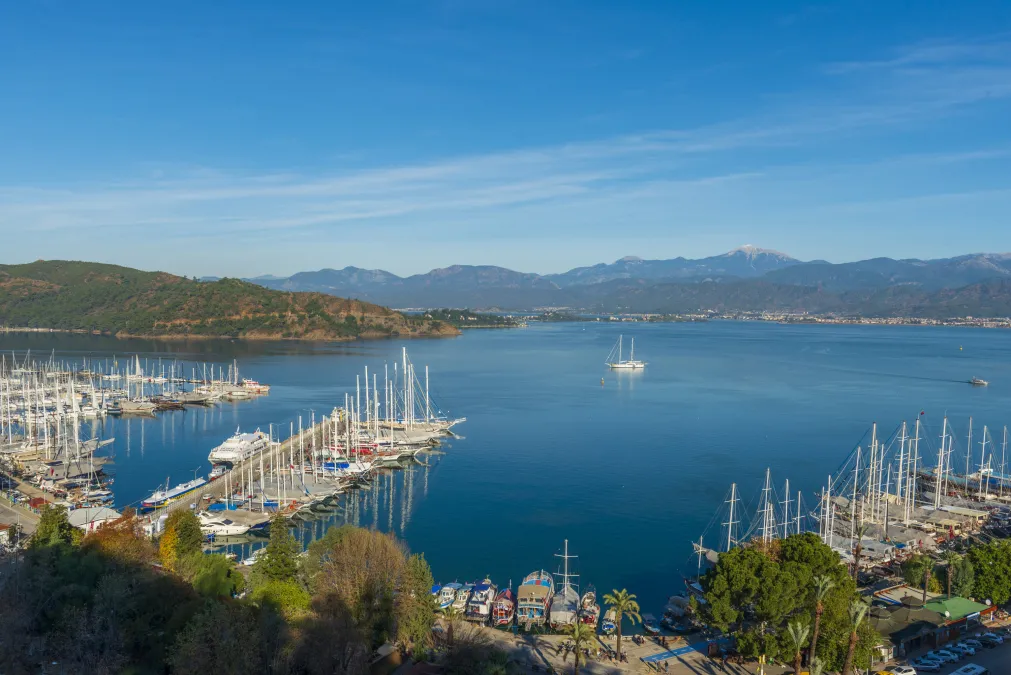
The routes along the Mediterranean and Aegean coasts are famous for their dramatic scenery, combining strenuous mountain trekking with stunning sea views and major UNESCO sites.
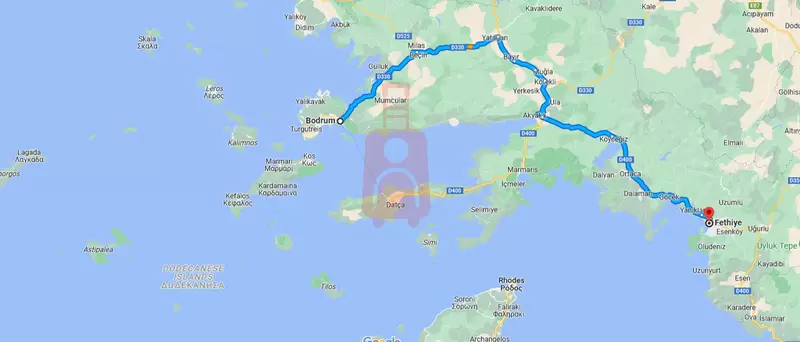
The Lycian Way is Türkiye's most famous long-distance trail, stretching approximately 540 kilometers (or 760 km with new extensions) between Fethiye (Ovacık) and Antalya (Geyikbayırı).
The Karia Yolu is a newer, equally long route (approximately 850 km) that explores the region between the Büyük Menderes River and the Dalaman River (Muğla).
These routes are inland expeditions, tracing the paths of long-vanished empires across the central plateau, offering a rugged, historically rich journey.
The Frig Yolu (Phrygian Way) is a vast cultural route (506 km) spanning the provinces of Ankara, Afyonkarahisar, Kütahya, and Eskişehir—the heartland of the legendary Phrygian Civilization.
This path focuses on the military and religious centers of the Bronze Age Hittite Empire in Çorum.
Tackling Türkiye's ancient paths requires careful logistical management, especially regarding water and supplies.
A Historic Route Trip in Türkiye is a pilgrimage that offers both physical accomplishment and the rare, intimate pleasure of stepping directly onto the ancient, enduring paths of human history.

Xanthos Ancient City, located in modern-day Turkey, is a captivating archaeological site that offers a glimpse…

Located in modern-day Turkey, Patara Ancient City holds a significant place in history as one of the most impo…

Myra Ancient City, located in modern-day Turkey, is a captivating destination that combines rich history, stun…

Kabak Beach, located in Fethiye, Muğla, Turkey, is a hidden paradise known for its unspoiled natural beauty an…

Welcome to Knidos Ancient City! Nestled on the Datça Peninsula in southwestern Turkey, Knidos is an archaeolog…

Welcome to Alinda Ancient City! Situated in the modern-day province of Aydın in southwestern Turkey, Alinda is…

Yazılıkaya Ancient City, located in the central Anatolian region of modern-day Turkey, is an intriguing archae…

Welcome to Hattusa Ancient City! Nestled in central Turkey, near the present-day town of Boğazkale, Hattusa is…

Welcome to Alacahöyük Ancient City! Located in the Çorum Province of Turkey, Alacahöyük is an extraordinary ar…
We'll check with our local operators to finalize the best plan and price for you, guaranteed within 24 hours.